
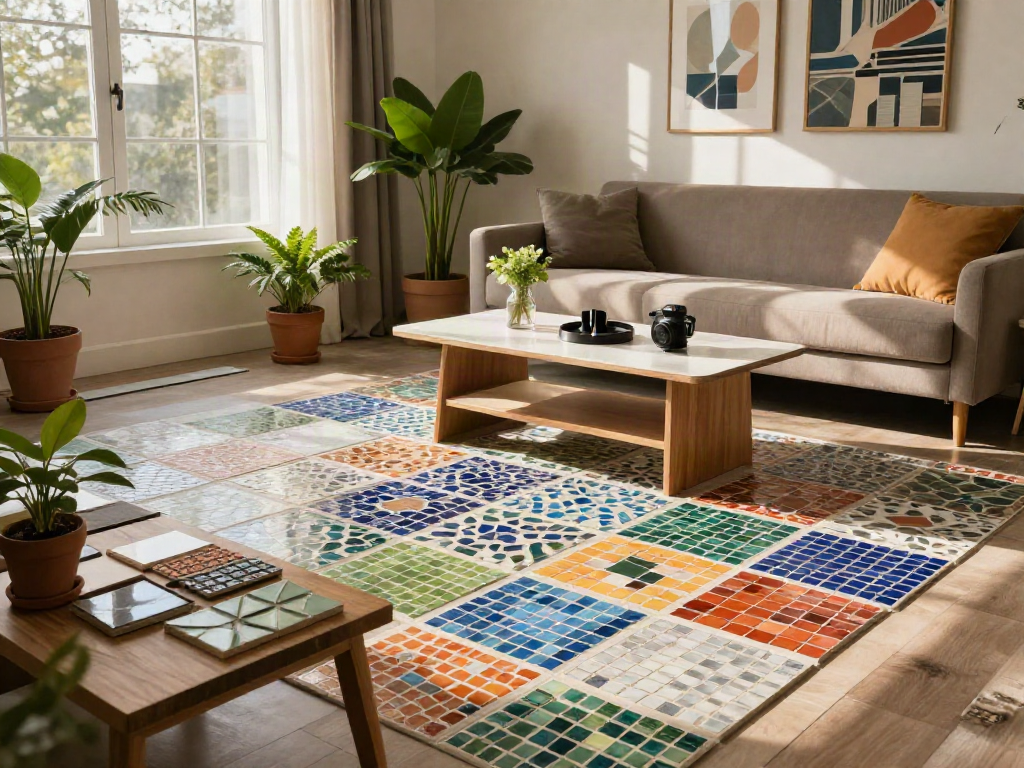
Understanding Mosaic Tiles in Sydney
Mosaic tiles have long captured the attention of homeowners and designers alike, thanks to their unique ability to add color, texture, and artistry to various spaces. In Sydney, the demand for mosaic tiles sydney has surged, as these tiles offer a blend of classic and contemporary styles suited to the vibrant Australian lifestyle. From bathrooms to outdoor areas, mosaic tiles can redefine spaces, making them both functional and visually stunning.
What are Mosaic Tiles?
Mosaic tiles are small pieces of material—typically glass, stone, or ceramic—that are assembled to create intricate designs. They can be laid to form patterns, pictures, or simple tonal blends. Historically, mosaics have been used in art and architecture dating back to ancient civilizations, illustrating their enduring appeal and versatility. In contemporary design, these tiles enable creative freedom, allowing homeowners to express personal style and taste.
Benefits of Using Mosaic Tiles
- Aesthetic Appeal: Mosaic tiles come in various colors, textures, and patterns, making them excellent for enhancing the visual appeal of any space.
- Durability: Made from robust materials, these tiles are ideal for areas that experience high traffic or moisture, such as kitchens and bathrooms.
- Easy Maintenance: Mosaic tiles are relatively easy to clean, requiring only regular sweeping and periodic mopping to maintain their appearance.
- Versatile Applications: Suitable for floors, walls, backsplashes, and even art pieces, the possibilities for mosaic tiles are nearly endless.
- Eco-Friendly Options: Many manufacturers offer recycled glass and sustainable materials, which appeal to environmentally conscious consumers.
Types of Mosaic Tiles Available in Sydney
In Sydney's vibrant tile market, various types of mosaic tiles cater to diverse tastes and design needs. Below are some popular options:
- Glass Mosaic Tiles: Known for their bright colors and reflective surfaces, glass mosaics can create stunning visual effects, particularly in bathrooms and pools.
- Ceramic Mosaic Tiles: These are versatile and offer a range of finishes—from glossy to matte—making them suitable for any style.
- Stone Mosaic Tiles: Comprising natural materials like marble, granite, and travertine, stone mosaics add an organic touch to spaces.
- Porcelain Mosaic Tiles: Highly durable and water-resistant, porcelain mosaics can replicate the look of natural stone and work well in both indoor and outdoor settings.
Design Trends for Mosaic Tiles in 2026
As we look ahead to 2026, mosaic tiles continue to evolve in design, pushing the boundaries of creativity and functionality. Here, we explore the most exciting trends shaping the use of mosaic tiles in the near future.
Popular Color Palettes and Patterns
Design experts predict that bold and unexpected color combinations will dominate in the coming years, moving away from the neutrals that have previously reigned supreme. Expect to see rich jewel tones like emerald green, sapphire blue, and deep burgundy paired with more muted shades for contrast.
Patterns will also take center stage, with geometric shapes and intricate designs becoming increasingly popular. These patterns can be used to create statement walls or unique flooring designs that draw the eye and add a level of sophistication to any space.
Innovative Applications in Home Design
Mosaic tiles are not only used in traditional applications but are also being creatively employed in unexpected ways. Designers are experimenting with larger scale mosaics, using them for wall murals or as art installations. Additionally, mosaic tiles are finding their way onto furniture, such as tabletops and accent pieces, allowing homeowners to integrate them into various aspects of their décor.
Future Trends in Tile Materials
As sustainability becomes a focal point in home design, manufacturers are increasingly turning to eco-friendly materials for mosaic tiles. Recycled glass tiles, for instance, are making a strong showing, offering both environmental benefits and unique aesthetic qualities. Furthermore, innovations in tile production are leading to the development of more durable, scratch-resistant surfaces that maintain their beauty over time.
Installation Best Practices for Mosaic Tiles
Installing mosaic tiles requires careful planning and execution to achieve the best results. Here are key steps and best practices to consider during the installation process.
Pre-Installation Steps to Consider
Before beginning installation, it’s crucial to prepare the surface properly. Ensure that the substrate is clean, dry, and free of any debris. Consider using a waterproof membrane in moisture-prone areas to prevent future water damage. It’s also advisable to plan the layout and design beforehand to avoid any mismatched patterns during installation.
Common Installation Techniques
Mosaic tiles can be installed using a variety of techniques, including the direct method and the tile-on-tile method. The direct method involves adhering the tile directly to the substrate with thin-set mortar, while the tile-on-tile method layers new mosaic tiles over existing tiles. It’s essential to follow manufacturer guidelines for the best results.
Tools and Materials Needed for Installation
To successfully install mosaic tiles, you’ll require the following tools and materials:
- Tile cutter or wet saw
- Notched trowel
- Thin-set mortar
- Grout
- Spacers
- Sponge and bucket for cleaning
- Rubber float for applying grout
Maintenance and Care for Mosaic Tiles
Maintaining the beauty of mosaic tiles is crucial for their longevity and appearance. With the right care and attention, these tiles can last for many years.
Cleaning Products and Techniques
To clean mosaic tiles effectively, use a mild detergent mixed with warm water. Avoid abrasive cleaners, as they can damage the tile surface. Regular sweeping or vacuuming will help minimize dirt buildup, while a damp mop can be used for thorough cleaning.
Avoiding Common Damage
To prevent common damage, avoid using harsh chemicals and ensure that heavy objects are not dropped onto the tiled surface. In areas exposed to moisture, always ensure that grout lines are intact and reseal them as necessary to prevent water penetration.
Long-Term Care Tips and Tricks
For long-term care, periodically apply a sealant designed for mosaic tiles, especially in high-moisture areas. This helps protect the tiles from stains and water damage. Additionally, regularly inspect the grout lines and repair any cracks or gaps promptly to maintain integrity and appearance.
FAQs about Mosaic Tiles in Sydney
What are the most popular mosaic tile designs right now?
As of 2026, the most popular designs include geometric patterns, bold color combinations, and intricate floral motifs. Homeowners are increasingly opting for artisanal designs that add a unique flair to spaces.
How should I choose mosaic tiles for my bathroom?
When selecting mosaic tiles for bathrooms, consider factors such as slip resistance, water absorption rates, and size of the tiles. Smaller tiles can provide better grip, while larger tiles may offer a more seamless look.
Are mosaic tiles suitable for outdoor use?
Yes, certain types of mosaic tiles, especially porcelain and glass, are suitable for outdoor use due to their durability and resistance to weather elements. Always check the manufacturer's specifications to ensure the tiles can withstand outdoor conditions.
What is the average cost of mosaic tile installation?
The cost of mosaic tile installation can vary widely depending on the type of tile, area size, and labor costs. On average, homeowners can expect to pay between $50 to $150 per square meter, including materials and installation.
How can I incorporate mosaic tiles into my home decor?
Mosaic tiles can be incorporated into home décor through various applications, such as accent walls, backsplashes, and decorative art pieces. Consider using mosaic tiles for smaller projects or statement pieces to enhance the overall design of your home.