Understanding Driveway Cleaning
What is Driveway Cleaning?
Driveway cleaning is the process of removing dirt, grime, mold, oil stains, and other contaminants that accumulate on driveway surfaces. This service often employs various cleaning methods, including pressure washing and chemical treatments, designed to efficiently restore the aesthetic appeal of a driveway. By maintaining the cleanliness of your driveway, you not only enhance your property’s curb appeal but also prolong its lifespan.
Benefits of Driveway Cleaning
Regular driveway cleaning offers an array of benefits. First and foremost, it dramatically enhances the visual appeal of your property. A clean driveway can significantly increase your home value and create a welcoming atmosphere for guests or potential buyers. Furthermore, removing deep-seated dirt and grime helps prevent damage to the underlying material, which can lead to costly repairs.
Additionally, cleaning your driveway minimizes risks associated with slippery surfaces, especially during wet conditions. By investing in driveway cleaning, you ensure that your driveway remains safe and functional.
Common Types of Driveway Materials
Driveways can be constructed from various materials, each requiring specific cleaning methods. The most common driveway types include:
- Concrete: Durable and cost-effective, concrete pavements are prone to staining from oil, mold, and weather conditions.
- Asphalt: Popular for its flexibility and lower cost, asphalt can become brittle over time if not properly maintained.
- Gravel: While aesthetically pleasing, gravel driveways can accumulate weeds and dirt easily, requiring regular upkeep.
- Pavers: These provide a classic look but may require specialized cleaning techniques depending on their material.
Preparation for Driveway Cleaning
Tools Required for Driveway Cleaning
To effectively clean your driveway, you will need several tools and equipment, including:
- Pressure Washer: A machine that utilizes high-pressure water jets to remove dirt and grime.
- Chemical Cleaners: Eco-friendly soaps or acids designed to break down stains and algae.
- Brooms and Brushes: For manual scrubbing of particularly stubborn areas.
- Protective Gear: Gloves and goggles to ensure personal safety while handling chemicals.
Choosing the Right Cleaning Solution
The type of cleaning solution you choose will depend on your driveway's material and the extent of the stains. For concrete and asphalt, a heavy-duty degreaser can effectively tackle oil spots. For organic growth like moss or algae, a bleach-based solution or a commercial algae remover might be necessary. Always follow the manufacturer’s instructions for dilution and application to ensure effectiveness while minimizing environmental impact.
Safety Precautions to Consider
Safety should always be a priority when cleaning your driveway. Here are key precautions to follow:
- Wear Protective Gear: Always use gloves, goggles, and sturdy footwear to protect yourself from chemicals and debris.
- Know Your Equipment: Familiarize yourself with the pressure washer settings to prevent damage to your driveway.
- Check Weather Conditions: Plan your cleaning day when the weather is dry, avoiding rainy or windy conditions that could hinder your efforts.
Methods of Driveway Cleaning
Pressure Washing Techniques
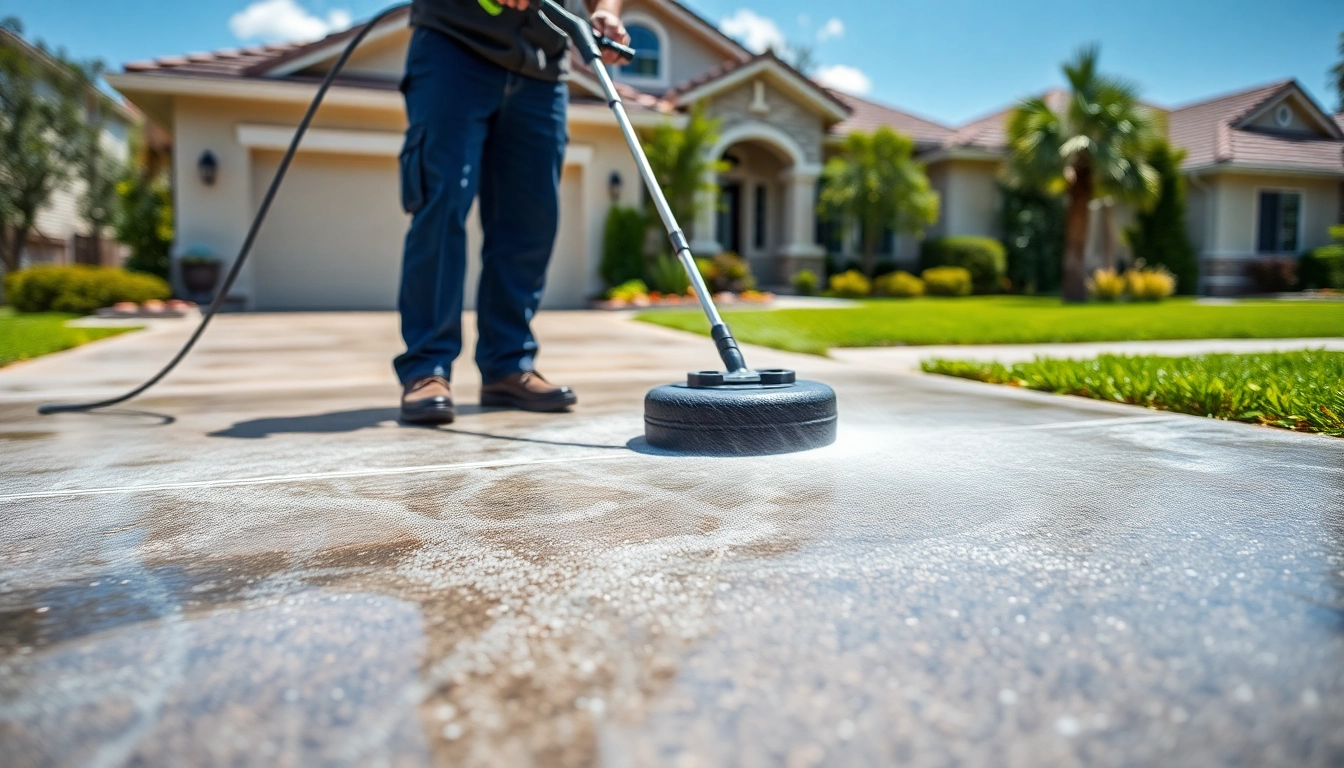
Pressure washing is among the most effective methods for driveway cleaning. It utilizes high-pressure water to eliminate dirt and grime quickly. Here are some effective techniques:
- Traditional Pressure Washing: Utilize a pressure washer set at around 3000 PSI for concrete surfaces.
- Chemical Pre-Treatment: Apply a cleaning solution before pressure washing for enhanced stain removal.
- Surface Cleaner Attachments: These specialized attachments can help efficiently clean large areas and reach tough spots that standard nozzles might miss.
Chemical Cleaning Options
Chemical cleaning options can be effective for removing stubborn stains and enhancing the cleaning process. When using chemicals, it’s vital to choose products suited to your driveway material. Acidic cleaners are great for concrete but should be avoided on asphalt. Always apply chemicals as directed, allowing them to dwell for an appropriate time before rinsing.
Manual Cleaning Methods
Manual cleaning methods can also be effective, especially for minor dirt and stains. Methods include:
- Scrubbing: Use brushes and brooms for general cleaning, focusing on stained areas.
- Soaking: Allow cleaners to sit for a while to penetrate and loosen stubborn stains.
- Rinsing: Ensure you're rinsing thoroughly, especially after using chemicals, to prevent residue.
Post-Cleaning Maintenance for Driveways
How to Maintain Your Driveway After Cleaning
Maintaining your driveway after a thorough cleaning involves a few best practices:
- Sealants: Consider applying sealants every few years to protect against stains and prolong the life of your driveway.
- Routine Cleanings: Schedule regular cleanings to prevent the buildup of dirt and contaminants.
- Debris Removal: Keep debris, such as leaves and dirt, off the surface to prevent staining and weed growth.
Signs Your Driveway Needs Cleaning
Awareness of your driveway's condition is key to its upkeep. Here are common signs that indicate your driveway needs cleaning:
- Visible Stains: Oil spots or other discolorations are clear indicators of a need for cleaning.
- Mold or Mildew: Green and black spots often signify organic growth that can be harmful over time.
- Accumulated Dirt: A dull or grayish appearance indicates it's time for a thorough cleaning.
Periodic Maintenance Tips
To ensure that your driveway remains in good condition between cleanings, consider these periodic maintenance tips:
- Regular Inspections: Check for cracks or damage and address them promptly to avoid further deterioration.
- Proper Drainage: Ensure that water drains appropriately to avoid standing water that can damage surfaces.
- Clear Weeds and Moss: Remove vegetation promptly to prevent roots from embedding and causing damage.
Frequently Asked Questions About Driveway Cleaning
How Much Should Driveway Cleaning Cost?
The cost for driveway cleaning can vary widely based on size, material, and local pricing. Typically, you can expect to pay between $0.30 and $0.55 per square foot for professional services.
How Often Should I Clean My Driveway?
Ideally, driveways should be cleaned at least once a year. However, high-traffic areas or those exposed to harsh weather may require more frequent cleanings.
Can I Clean My Driveway Myself?
Yes, cleaning your driveway yourself is possible. However, it requires proper equipment and knowledge of safe cleaning methods to ensure effective results without damage.
What Causes Driveway Stains?
Common causes of driveway stains include oil spills, tire marks, organic growth (like algae and moss), and dirt buildup. Regular cleaning helps mitigate these issues.
Are Chemical Cleaners Safe for Concrete?
Most chemical cleaners are safe for concrete when used as directed. However, always choose products specifically designed for concrete surfaces to avoid damage.