
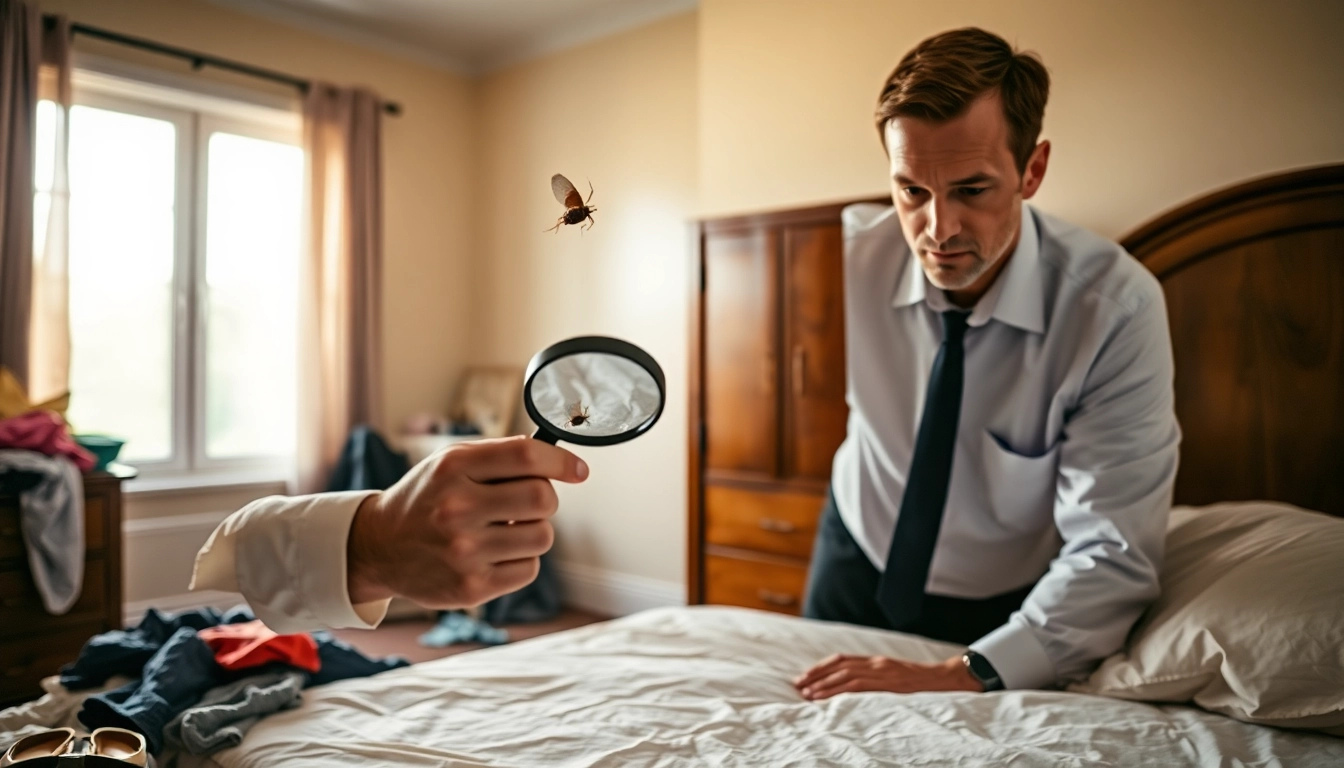
Understanding Bed Bugs and Infestations
What Are Bed Bugs?
Bed bugs (Cimex lectularius) are small, parasitic insects that feed exclusively on the blood of humans and other warm-blooded hosts. Adult bed bugs are about the size of an apple seed, with a flat, oval body that turns red after feeding. These pests are nocturnal, hiding in crevices during the day and coming out at night to feed. Though they are not known to transmit diseases, their bites can cause discomfort, allergic reactions, and significant distress.
Signs of Bed Bug Infestation
Identifying a bed bug infestation is critical to effective bed bug control. Look for the following signs:
- Bite Marks: Small, red, itchy bumps on the skin, often in lines or clusters.
- Droppings: Dark, rusty spots on sheets or mattress seams, indicating residues from digested blood.
- Eggs and Shells: Tiny, white eggs and shed skins, usually found in hiding spots.
- Unpleasant Odor: A musty, sweet scent in severe infestations from bed bug scent glands.
Common Misconceptions About Bed Bugs
There are several misconceptions surrounding bed bugs that can hinder effective treatment:
- Only Dirty Homes are Affected: Bed bugs can thrive in both clean and dirty environments, as long as hosts are available.
- All Insecticides Work: Many household insecticides are ineffective against bed bugs due to their resilient nature.
- Eliminating Clutter is Sufficient: While reducing clutter can help, thorough treatment is necessary to eradicate bed bugs entirely.
Best Practices for Bed Bug Control
Preventive Measures for Bed Bug Control
Prevention is crucial in managing bed bugs effectively:
- Regular Inspections: Check for signs of bed bugs in bedding and furniture, especially after traveling or receiving used clothing.
- Encasements: Use bed bug-proof mattress and box spring encasements to trap existing bugs and prevent new infestations.
- Minimize Clutter: Keeping areas tidy reduces hiding spots for bed bugs, making detection easier.
- Careful Travel Habits: Inspect hotel rooms and keep luggage on racks away from the floor or bed.
DIY Techniques for Bed Bug Control
If you suspect a bed bug infestation, DIY methods can help manage small outbreaks:
- Heat Treatment: Wash and dry bedding and clothing at high temperatures to kill bed bugs and eggs.
- Vacuuming: Vacuum areas where bed bugs may hide, including seams and baseboards, and dispose of vacuum bags safely.
- Homemade Traps: Utilize improvised traps like sticky tape around the legs of beds to capture bed bugs.
- Natural Repellents: Essential oils such as tea tree, lavender, and peppermint can serve as mild deterrents.
Professional Solutions for Bed Bug Control
For severe infestations, professional pest control services are often necessary:
- Chemical Treatments: Licensed pest control technicians utilize EPA-approved insecticides targeting bed bugs.
- Heat Treatments: Professionals can heat entire rooms to temperatures lethal to bed bugs effectively.
- Integrated Pest Management (IPM): Combining multiple methods, IPM focuses on long-term pest control strategies.
Step-by-Step Guide to Effective Bed Bug Control
Inspection Techniques for Bed Bug Control
Accurate inspections lay the groundwork for effective bed bug control. Carefully inspect:
- Mattresses: Look at seams, tags, and the underside for signs of infestation.
- Bed Frames: Check screws, joints, and hidden areas for bugs or evidence of feces.
- Surrounding Areas: Examine nightstands, baseboards, and adjacent furniture.
Treatment Options for Bed Bug Control
Treatments can vary depending on the severity of the infestation:
- Insecticides: Allow professionals to apply targeted sprays or dusts to affected areas.
- Steam Treatment: Steam can kill bed bugs on contact, providing immediate results without chemicals.
- Convenient Encapsulations: Encapsulating infested items helps contain and eliminate bed bug populations.
Post-Treatment Strategies
After treatment, follow up with these strategies to ensure effective bed bug control:
- Continued Monitoring: Regularly check for signs of bed bugs and re-inspect treatment areas.
- Professional Follow-ups: Schedule follow-up treatments as necessary and maintain communication with your exterminator.
- Preventive Measures: Implement tips discussed in the preventive measures section to avoid re-infestation.
Cost and Budgeting for Bed Bug Control
Factors Affecting the Cost of Bed Bug Control
The cost of bed bug control varies based on multiple factors:
- Infestation Size: Larger infestations typically incur higher treatment costs.
- Type of Treatment: DIY methods are less expensive than professional services, but effectiveness may vary.
- Location: Regional pest control market rates can influence costs significantly.
Average Pricing for Professional Services
On average, professional bed bug control services can cost between $300 and $1,500 depending on the infestation's severity and the treatment's scope. Various factors, such as city, type of property, and chosen service methods, can affect the total expenditure.
Budgeting for DIY Bed Bug Control
DIY bed bug control can be cost-effective if approached strategically. Expenses may include pest control products, vacuum bags, and additional cleaning supplies. Setting a budget of around $50 to $200 for comprehensive treatment can help mitigate infestation without overspending.
Frequently Asked Questions About Bed Bug Control
How can I tell if I have bed bugs?
Look for bite marks on your skin, small dark stains on your mattress, eggs or shells in crevices, and a musty odor in the room. These are indicators of a possible infestation.
What kills bed bugs instantly?
High heat (above 118°F), steam treatments, and certain insecticides can kill bed bugs quickly upon contact. Regular vacuuming and washing items in hot water also help.
Do I need to throw out my mattress?
No, disposing of your mattress is unnecessary and discouraged. Proper professional treatments can eradicate bed bugs without the need for disposal.
How can I prevent bed bugs from returning?
Utilize bed bug-proof encasements for mattresses, regularly clean and declutter your home, and inspect luggage after traveling to prevent re-infestation.
What should I do if I encounter bed bugs while traveling?
Inspect your hotel room for signs of bed bugs, keep luggage elevated, and report any findings to hotel management to ensure your room is treated appropriately.