
Understanding Home Improvement
Defining Home Improvement
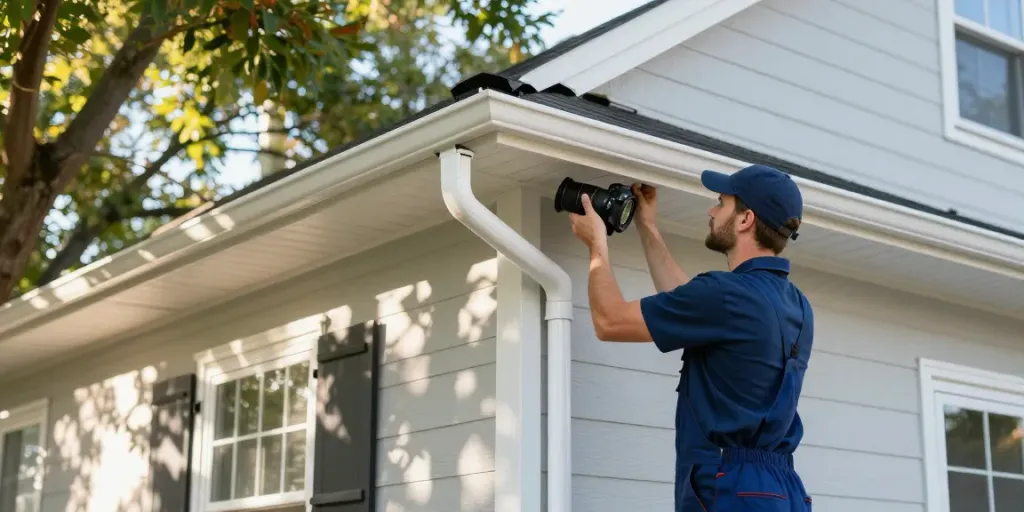
Home improvement entails various projects or tasks that enhance the functionality, aesthetics, and value of a home. This can include renovations, repairs, or upgrades made to both interior and exterior spaces. It covers a broad spectrum, from small repairs like painting and landscaping to significant renovations like kitchen or bathroom remodels. Engaging in home improvement means taking the initiative to create a better living environment while often increasing the property value.
The Importance of Home Improvement
Home improvement plays a crucial role in maintaining the integrity and attractiveness of a home. Regular updates not only keep the home functional and safe but can also improve energy efficiency—resulting in lower utility bills. Furthermore, a well-maintained home can yield a higher resale value. Engaging in home improvement projects allows homeowners to customize their spaces, reflecting personal tastes and styles, which contributes to an overall enhanced quality of life.
Common Home Improvement Projects
Common home improvement projects include:
- Kitchen Remodels: Upgrading appliances, fixtures, and layouts to enhance functionality and aesthetics.
- Bathroom Renovations: Modernizing bathrooms with new tiles, vanities, and showers.
- Outdoor Improvements: Building decks, patios, or landscaping to create inviting outdoor spaces.
- Energy Efficiency Upgrades: Installing energy-efficient windows, insulation, and appliances.
- Home Repair Projects: Fixing leaky roofs, plumbing issues, or structural defects to ensure safety.
Planning Your Home Improvement
Setting a Budget for Home Improvement
Establishing a budget is the first and perhaps the most critical step in any home improvement project. A clear budget helps in managing expectations and avoiding overspending. When planning a budget, consider the costs of materials, labor, permits, and any unexpected expenses. It is advisable to allocate an additional 10 to 20 percent of your budget for unforeseen issues. This approach will help you maintain financial flexibility throughout the project.
Choosing the Right Design Style
Your design style is a personal reflection and should resonate with your tastes while keeping potential future buyers in mind. Common styles include traditional, modern, contemporary, rustic, and craftsman. Research various design inspirations online and collect ideas from magazines or home shows. As you sketch out your vision, consider how chosen styles will blend with your existing architecture and influences from your neighborhood.
Researching Local Regulations
Before commencing any home improvement project, familiarize yourself with local building codes and regulations. Different areas have specific requirements regarding building permits, safety regulations, or zoning laws that could impact your project. Checking these rules early can prevent unnecessary delays or fines, ensuring your project proceeds smoothly and legally.
Execution of Home Improvement Projects
Gathering the Right Tools
Equipping yourself with the right tools is vital for the successful execution of home improvement projects. Basic tools include hammers, screwdrivers, drills, and saws, while more advanced projects may require specialized equipment like tile cutters or plumbing tools. Investing in high-quality tools can save you money in the long run as they tend to last longer and perform better. Additionally, consider renting specialized tools if the project is a one-time endeavor, which can also cut costs.
Safety Considerations during Home Improvement
Prioritizing safety during home improvement is essential to prevent accidents and ensure a successful project. Always wear appropriate personal protective equipment, including gloves, goggles, and masks. When using power tools, follow manufacturer instructions and work in a safe environment. Thoroughly inspect work areas for hazards, and when necessary, use professionals for high-risk jobs like electrical or roofing work.
Timeline for Completion
Establishing a timeline helps in setting realistic goals and expectations. Consider the scope of your project—adding a new bathroom can take several weeks, while painting could be completed in a couple of days. Be flexible with your timeline to accommodate delays, such as shipping times for materials or unexpected weather conditions for outdoor projects.
Enhancing Your Home Improvement Skills
DIY Techniques vs. Hiring Professionals
Deciding between tackling a project yourself or hiring professionals can greatly impact the execution pace and quality. DIY can save money and offer a rewarding experience, but not all tasks are suited for novice skills. Hiring professionals ensures that projects are completed correctly, particularly those that require permits or technical expertise, such as plumbing or electrical work. Assess your capabilities objectively, and choose the best path for each project based on complexity and your skill level.
Resources for Learning Home Improvement Skills
Various resources are available to enhance your home improvement skill set. Online platforms such as YouTube and specialized home improvement websites offer video tutorials and guides. Local workshops, community colleges, or home improvement stores may also host classes focusing on specific skills like woodworking, tiling, or basic plumbing. Engaging with these resources can significantly boost your confidence and knowledge for future projects.
Creating a Home Improvement Community
Establishing connections with local home improvement enthusiasts can provide support, advice, and shared knowledge. Engage in neighborhood groups, workshops, or online forums dedicated to home improvement discussions. Collaborative efforts can result in skill-sharing opportunities, potential partnerships for larger projects, and access to local deals and resources that benefit all members.
Evaluating the Success of Home Improvement
Measuring Results Against Goals
Post-project evaluation is essential to assess whether your home improvement objectives have been met. Reflect on the goals you established during the planning phase—did you enhance functionality and aesthetics as intended? Consider collecting feedback from family members or guests, and if possible, compare the outcomes with previous states of your home through photos or descriptions.
Common Mistakes to Avoid in Home Improvement
Several common pitfalls can derail home improvement efforts. Failing to conduct adequate research may lead to poor decision-making, while underestimating the time and budget required can result in unfinished projects. Other mistakes include poor planning for waste disposal and neglecting natural light. By educating yourself and approaching projects methodically, you can avoid these common missteps.
Maintaining Improvements over Time
Once renovations are complete, ongoing maintenance is vital to ensure the longevity of your improvements. Create a schedule to regularly inspect and maintain elements such as roofing, plumbing, and appliances. Establishing a maintenance culture not only preserves your investment but promotes a safe and pleasant living environment for yourself and your family.
Frequently Asked Questions
What are the most popular home improvement projects?
Popular projects include kitchen remodels, bathroom renovations, landscape improvements, and energy efficiency upgrades.
How can I save money on home improvement?
Consider DIY options for smaller tasks, shop for materials during sales, or reuse and recycle existing materials when possible.
How do I find the right contractor for a home improvement project?
Seek referrals, check online reviews, request quotes, and ensure they hold valid licenses and insurance before hiring.
Is it necessary to get a permit for home improvements?
Not all projects require permits, but major renovations or structural changes often do. Check local regulations beforehand.
What is the ROI on home improvements?
Return on investment varies by project; kitchen and bathroom remodels typically yield the highest returns, often recouping up to 70% of costs.