
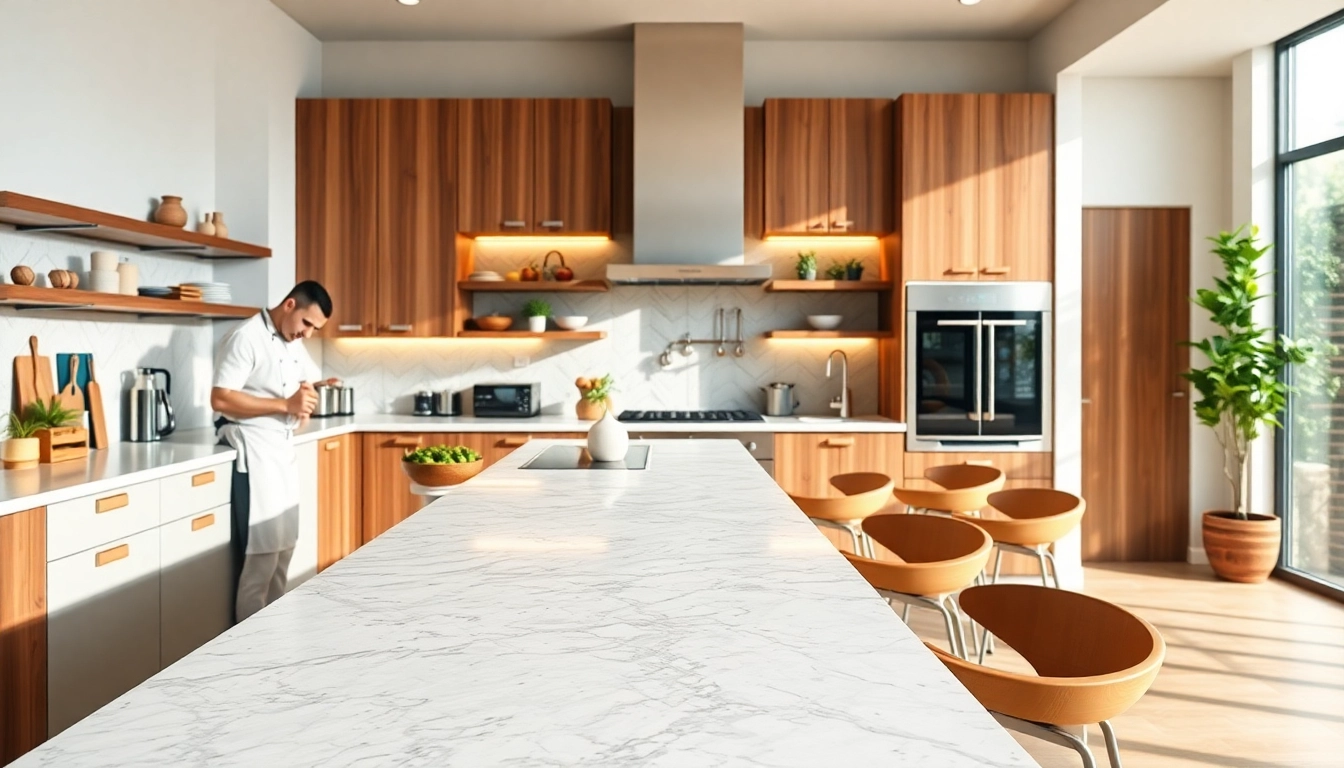
Understanding Kitchen Remodeling Tips
Embarking on a kitchen remodel can seem daunting, yet it is also an exciting opportunity to transform one of the most important spaces in your home. Kitchen Remodeling Tips are essential for not only achieving a beautiful space but also for saving time and money throughout the process. This article aims to provide a comprehensive overview of these tips, enabling you to navigate your remodel with confidence.
Why Kitchen Remodeling Matters
Remodeling your kitchen can have profound effects on both comfort and functionality. This space is often the heart of a home, serving as a gathering area for family and friends. A well-planned kitchen remodel can enhance your daily living and improve the home’s overall value. Beyond aesthetics, remodeling can address space constraints and improve energy efficiency by integrating modern appliances and energy-saving fixtures.
Common Misconceptions about Kitchen Remodeling Tips
One misconception is that kitchen remodeling is solely about aesthetic upgrades, such as new cabinets or countertops. While those elements are crucial, factors like layout, functionality, and workflow should not be overlooked. Another myth is the belief that DIY renovations are always cheaper. While certain tasks can be DIY-friendly, complex projects often necessitate professional expertise to avoid costly mistakes.
Benefits of Effective Planning
Planning is paramount in ensuring a successful kitchen remodel. A thorough plan allows for a streamlined workflow, reduces the likelihood of costly changes mid-project, and ensures the end result aligns with your initial vision and budget. Additionally, having a professional kitchen designer involved can yield insightful suggestions that can enhance your kitchen’s layout and storage capacity.
Planning Your Kitchen Layout
Optimizing Space and Flow
The kitchen layout is foundational to its usability. There are multiple layouts to choose from, including L-shaped, U-shaped, or galley designs. When planning, always consider how space will be utilized — specifically focus on creating pathways for movement that promote an efficient workflow. Use zoning strategies that define cooking, prep, and dining areas to ensure seamless operation.
Understanding Work Triangle Principles
The work triangle concept is a tried-and-true guideline that designates the optimal distance between the stove, refrigerator, and sink. Ideally, these three components should form a triangle, with each side measuring between 4 and 9 feet. This design offers efficiency by minimizing movement and time spent retrieving ingredients and tools, helping you maximize time in the kitchen.
Incorporating Storage Solutions
A well-organized kitchen is a functional kitchen. Consider incorporating various storage solutions, such as pull-out cabinets, lazy Susans, or vertical storage for pots and pans. Customizable drawer dividers can also make it easier to locate essential utensils quickly. While maximizing storage is important, avoid overcrowding cabinets to ensure ease of access and visual appeal.
Selecting Materials and Finishes
Choosing Durable and Stylish Countertops
Countertops form a significant visual focal point in your kitchen. When selecting materials, prioritize durability and ease of maintenance. Popular choices include granite, quartz, and butcher block, each offering unique advantages. For instance, granite is heat and scratch-resistant, while quartz provides a non-porous surface that is easier to maintain. Be sure to weigh the pros and cons of each material relative to your lifestyle and cooking habits.
Flooring Options for Different Needs
The right flooring enhances your kitchen's function while complementing its design. Common kitchen flooring materials include tile, hardwood, laminate, and luxury vinyl planks. Each option boasts different durability levels, slip resistance, and maintenance requirements. If you have pets or frequent spills, consider water-resistant materials to keep your kitchen safe and clean.
Importance of Lighting in Kitchen Design
Lighting is often an overlooked aspect of kitchen remodeling but is crucial for both aesthetics and functionality. A layered lighting scheme combining ambient, task, and accent lighting can dramatically enhance your kitchen experience. Install under-cabinet lighting for illuminating work surfaces and pendant lights above islands to create both practical and attractive work areas.
Budgeting for Your Kitchen Remodel
Setting a Realistic Budget
Establishing a budget is one of the first and most important steps in your remodeling journey. Consider everything from materials and labor to permits and contingency funds for unexpected expenses. Aim for an all-inclusive budget that lays out clear categories for expenses. Knowing your financial boundaries will prevent overspending and maintain focus throughout the remodeling process.
Cost-Effective Kitchen Remodeling Tips
There are several ways to keep costs under control during a kitchen remodel. Consider refinishing existing cabinets instead of replacing them entirely, or opt for open shelving instead of closed cabinetry to save on materials. Repurposing existing materials can also be a sustainable option that aligns with your budget, enabling you to retain character while avoiding brand-new purchases.
Finding Quality Contractors
Choosing the right contractors is vital for a successful remodel. Start by researching potential candidates: read reviews, check their past work, and ask for references. Interact with contractors to gauge their communication style and willingness to collaborate with you. Clear, open communication about your expectations and goals will build a productive working relationship.
Post-Renovation Considerations
Maintaining Your New Kitchen
To ensure your kitchen remains as stunning as the day it was completed, establish a routine maintenance plan. This includes regular cleaning of appliances, sealing natural stone surfaces, and checking for any signs of wear or damage. Developing good habits will prolong the lifespan of your kitchen and maintain its appeal.
Making Kitchen Improvements Over Time
Your kitchen doesn’t have to be perfect immediately. Gradually improve your space as time and budget allow. Consider starting with essential appliances and key upgrades like faucets and sink fixtures. Over time, consider adding decorative touches such as artwork or cabinet hardware that reflects your personal style and enhances the overall appearance.
Setting Up a Functional Kitchen Environment
A functional kitchen prioritizes organization and accessibility. Use drawer organizers, labeled containers, and simplified pantry systems to help you find what you need quickly. Ensure that frequently used items, like cookware and cutting boards, are within easy reach, while less frequently used items can be stored higher or deeper in cabinets.
Frequently Asked Questions
What should I consider first when planning a kitchen remodel?
Start with an assessment of your current layout and functionality. Establish a clear vision of what you want, focusing on both aesthetics and practicality.
How long does a kitchen remodel typically take?
The duration depends on the scale of the project, but most remodels take between 6 to 12 weeks. Larger projects with custom elements may take longer.
Can I remodel my kitchen on a budget?
Yes, a budget-friendly remodel is possible. Consider refinishing cabinets, choosing less costly countertops, or altering the layout to maximize efficiency and space.
Should I hire a professional designer?
While it's not necessary, hiring a designer can provide invaluable insights on layout, functionality, and trends that enhance your kitchen’s appeal and usability.
How can I ensure my remodel is eco-friendly?
Opt for sustainable materials, energy-efficient appliances, and LED lighting. Also, consider recycling or repurposing materials during your remodel.