
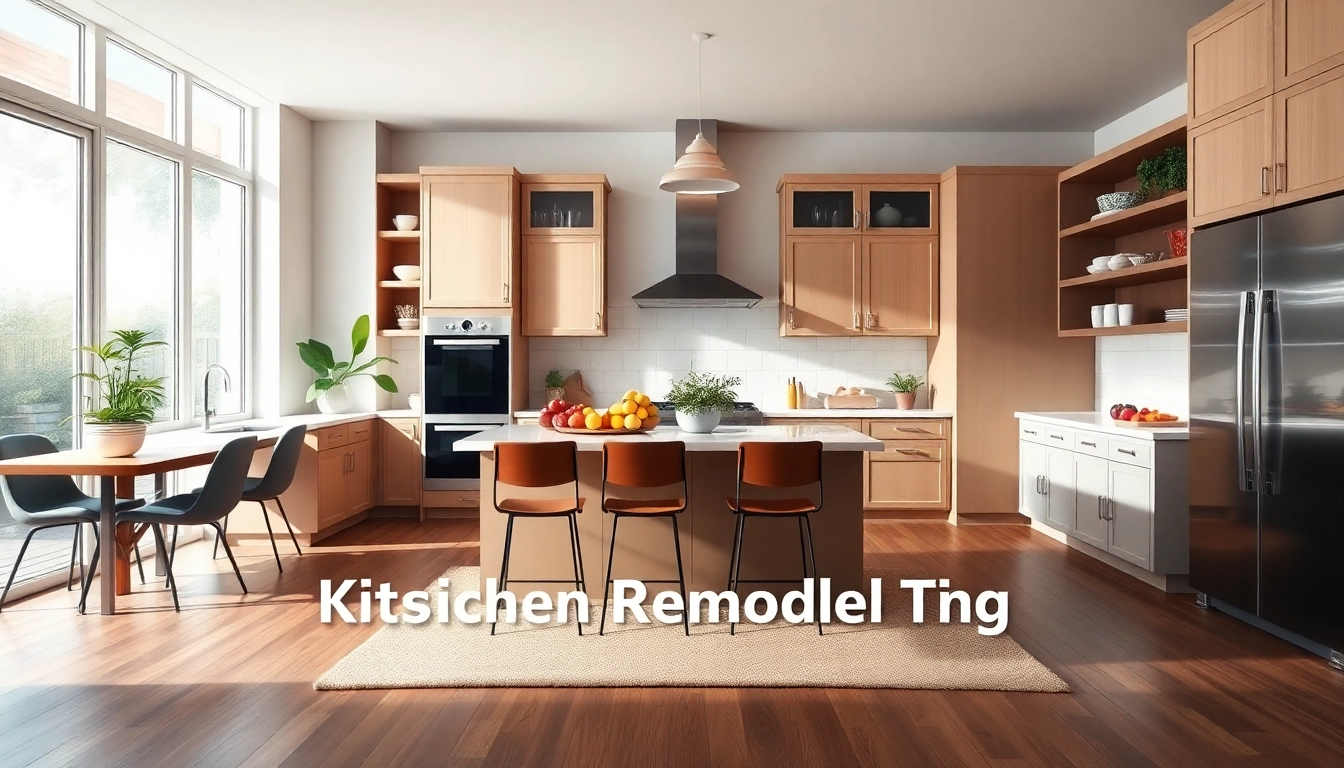
Understanding Kitchen Remodeling Tips
Embarking on a kitchen remodeling project can be both exciting and daunting. It's a space where we spend much of our time, so it's only natural to want to make it as functional and aesthetically pleasing as possible. To streamline the process and ensure you're making the most of your investment, we've compiled essential Kitchen Remodeling Tips that will save you time and money while avoiding common pitfalls.
Defining Your Vision
Before diving into renovations, it's vital to define your vision. What do you want your kitchen to feel like? Consider the style (modern, rustic, traditional), the functionality (e.g., a breakfast nook, extended pantry), and any specific features that appeal to you (such as smart appliances or a kitchen island). Visual resources like Pinterest boards or magazines can help clarify your vision, enabling you to communicate your desires to contractors effectively.
Organizing Your Budget
A clear understanding of your budget is crucial for any remodeling project. Begin by determining how much you can realistically spend and allocate funds to essential areas: cabinetry, countertops, appliances, and flooring. It's wise to set aside 10-20% of your budget for unexpected expenses that can arise during renovations. Being flexible and considering both high-end and budget-friendly options can help stretch your dollars further.
Setting Realistic Timelines
Timelines can often slip during remodeling, leading to frustration. To avoid this, create a detailed project timeline that includes each stage of the renovation—from design to completion. Consult with your contractors to establish realistic timeframes and be prepared for possible delays due to material availability or other unforeseen circumstances.
Planning the Layout: A Practical Approach
Your kitchen layout can significantly impact both functionality and aesthetics. Considering how you work in the kitchen will help you use space more effectively and ensure that the design supports your cooking and entertaining preferences.
Maximizing Space Efficiency
Optimize the layout by maximizing space efficiency. Open-floor plans are popular, but ensure there’s sufficient room for movement. The “work triangle” concept—referring to the optimal distance between the refrigerator, stove, and sink—can enhance kitchen functionality significantly. Utilize vertical space with high cabinets, and consider having pull-out shelves to make access easy.
Incorporating Functional Zones
Design your kitchen with distinct zones: cooking, preparing, cleaning, and socializing. This approach not only enhances efficiency but also makes the space more inviting. For example, install a breakfast bar that allows family or guests to sit while you cook, rather than crowding your workspace.
Choosing the Right Workflow
Workflow matters! The path you create as you navigate through cooking, cleaning, and entertaining should be seamless. Consider how you move through the kitchen and ensure that components like the sink, stove, and refrigerator are in a logical layout that suits your cooking habits.
Material Selection: Smart Choices for Your Kitchen
The materials you choose affect both the immediate feel of your kitchen and its long-term maintenance costs. Striking the right balance between aesthetics, functionality, and budget is key.
Balancing Aesthetics and Durability
When selecting materials, prioritize durability alongside aesthetics. For instance, while natural stone countertops can elevate the kitchen's look, they may require more care than engineered materials. Opt for materials that can withstand the rigors of day-to-day cooking without compromising style.
Cost-Effective Materials and Finishes
Cost-effective choices don’t mean skimping on quality. Consider alternatives like laminate flooring that mimics higher-end materials without the steep price tag. Explore options for cabinets that offer a similar appearance to solid wood, yet are made from more affordable materials that still deliver on durability.
Eco-Friendly Options
More homeowners are opting for sustainable materials that benefit both the environment and their health. Bamboo cabinetry, recycled glass countertops, and low-VOC paints not only promote a green lifestyle but also add unique aspects to your kitchen, enhancing its overall appeal.
Working with Professionals: Essential Partnerships
Whether you’re a DIY enthusiast or prefer hiring professionals, collaboration can ensure a successful remodeling project. Choosing the right team and establishing clear communication will lead to better outcomes.
Selecting the Right Contractors
Take time to research contractors who have experience in kitchen remodeling. Read reviews, ask for references, and look at previous projects to gauge their reliability and craftsmanship. A good contractor will be able to provide insights into your vision while ensuring quality work.
Effective Communication Strategies
Clear communication is essential throughout the remodeling process. Hold regular check-ins with your contractor to monitor progress and make adjustments as needed. Utilize drawings and mock-ups to communicate your ideas, ensuring everyone is on the same page.
Understanding Legal and Safety Regulations
Before commencing work, familiarize yourself with local building codes and safety regulations. Your contractor should assist with permitting and inspections, but having basic knowledge will help you avoid delays and ensure compliance during the renovation process.
Final Touches: Enhancing Your Kitchen's Appeal
Once the main construction is completed, it's time to focus on finishing touches that will enhance your kitchen's overall appeal.
Choosing Appliances That Fit Your Needs
Select appliances that align with your lifestyle. Consider energy-efficient models that can save you money in the long run while being aesthetically pleasing. Make sure they're compatible with your kitchen's layout for functionality and ease of use.
Integrating Lighting for Ambiance
Proper lighting can transform the kitchen's atmosphere. Consider layers of lighting including ambient, task, and accent lighting to cater to various kitchen activities. Pendant lights over islands, under-cabinet lights for counters, and dimmable options can create a warm and inviting space.
Adding Personal Touches with Décor
Finally, infuse your personality into the kitchen with décor that reflects your taste. A bold backsplash, art pieces, or unique cabinetry hardware can create a memorable impression and make the kitchen feel uniquely yours.
Frequently Asked Questions
What are the first steps in a kitchen remodel?
The first steps include defining your vision, setting a budget, and researching design ideas that align with your style and needs.
How long does a kitchen remodel typically take?
Kitchen remodels typically take 6 to 12 weeks depending on the scale of the project, contractor availability, and unforeseen delays.
Is it better to remodel a kitchen or move?
Whether to remodel or move depends on your home's value, desired changes, and the overall housing market. A remodel often adds value and can enhance your living experience.
How can I save money on my kitchen remodel?
To save money, consider DIY projects, shop sales for materials, and choose mid-range appliances and finishes rather than luxury options.
What design trends are popular for kitchens?
Popular kitchen design trends include open layouts, smart technology integration, sustainable materials, and bold colors or unique textures.