Understanding TradingView: The Essential Trading Platform
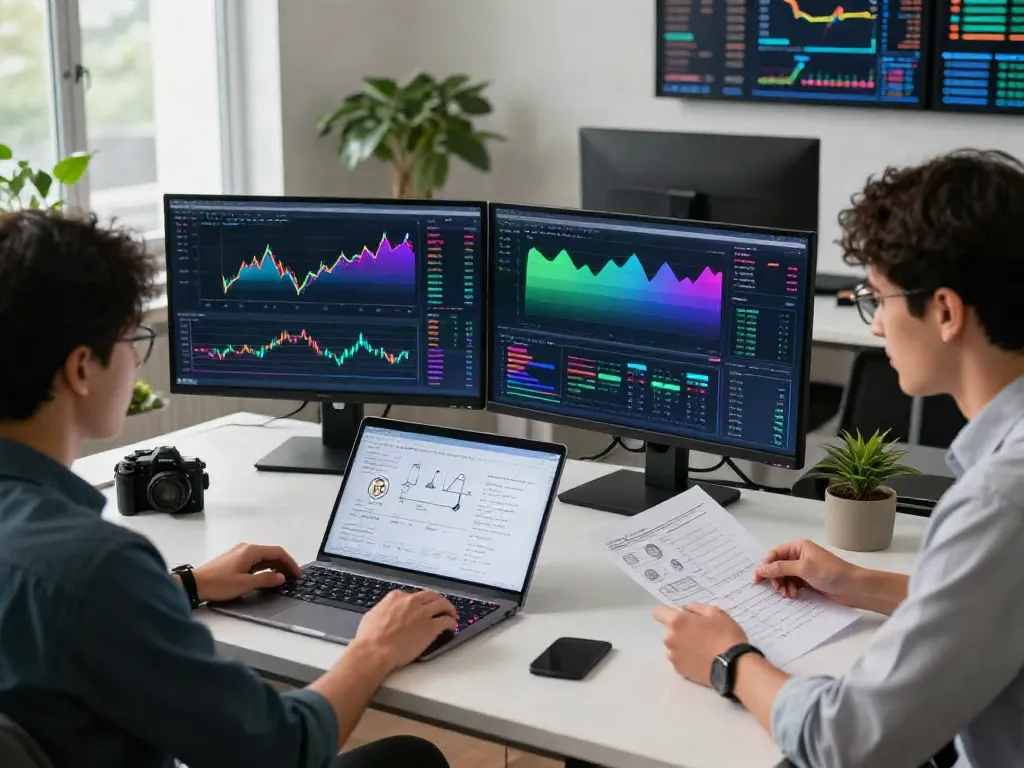
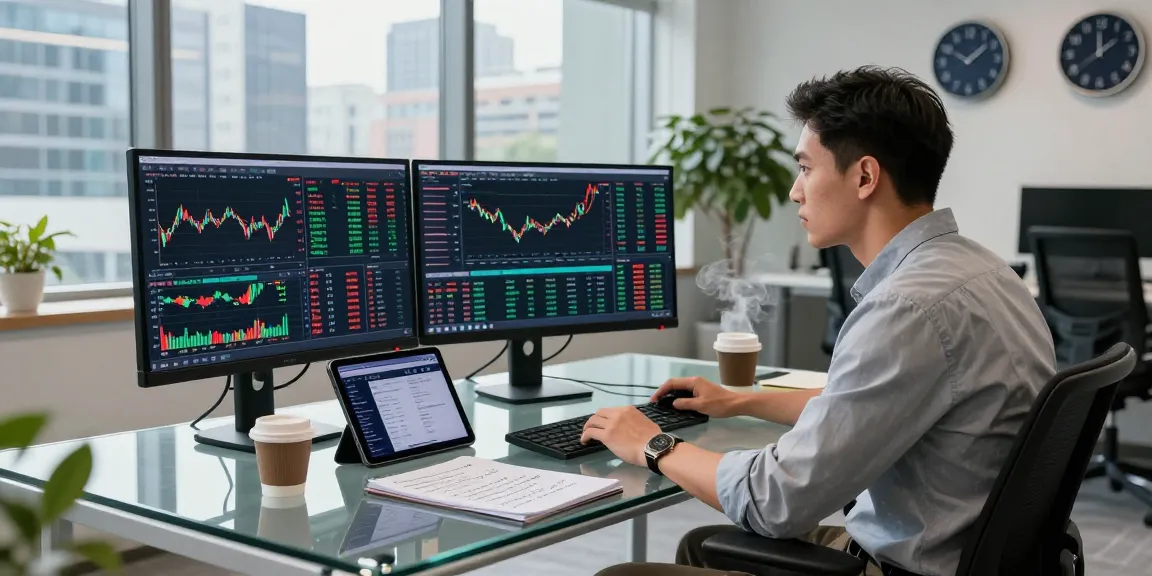
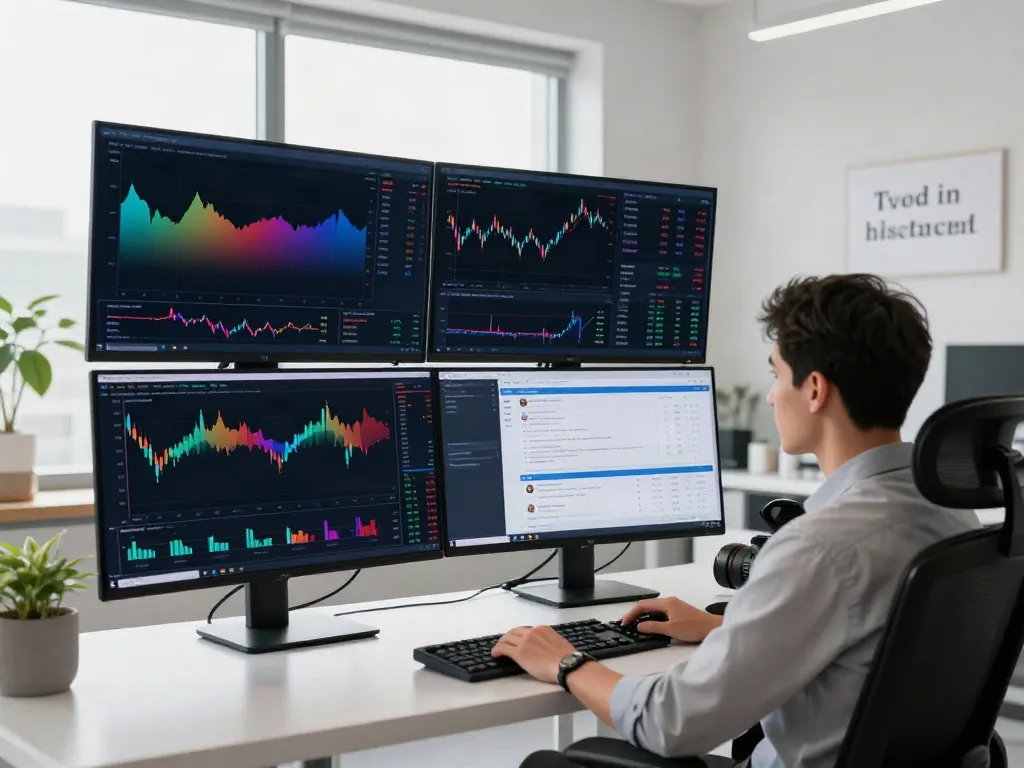
TradingView has emerged as a pivotal tool for traders and investors of all levels, providing a comprehensive platform to analyze market data, track trends, and execute trades across various asset classes. Whether you are a seasoned trader or just starting, mastering TradingView can significantly elevate your trading experience. With its intuitive interface and powerful functionalities, it allows users to amalgamate their research processes into a single, cohesive workflow. As you delve into the platform, you will find that TradingView serves as a unifying entry point for stocks, forex, cryptocurrencies, and derivatives, simplifying the complexities of active trading.
What is TradingView and Its Core Features?
TradingView is a social networking platform designed specifically for traders and investors, offering a suite of tools that enable comprehensive market analysis. At its core, TradingView integrates advanced charting capabilities, a wide variety of technical indicators, and a robust community where users can share insights and strategies. Key features include:
- Real-Time Data: Access real-time market data across multiple asset classes.
- Customizable Charts: Create personalized charts with various indicators, trend lines, and drawing tools.
- Pine Script: Utilize TradingView’s proprietary scripting language to develop custom indicators and strategies.
- Alerts: Set up price or technical alerts that notify users of significant market movements.
- Community Sharing: Join a vibrant community of traders to share ideas, strategies, and insights.
How to Set Up Your TradingView Account Effectively?
Setting up your TradingView account is a straightforward process. It begins with visiting the TradingView website and selecting the 'Join for Free' option. After creating your account, you can customize your profile and preferences. Here are some effective setup tips:
- Choose a Username: Make it recognizable and professional—this helps in networking.
- Set Your Time Zone: Adjust your time settings to ensure that market data is presented accurately.
- Explore Layouts: Familiarize yourself with different chart layouts and select one that fits your trading style.
- Customize Notifications: Set alerts for price movements, news events, or indicators to keep you informed.
The Benefits of Using TradingView for Market Analysis
TradingView offers numerous benefits that make it an essential tool for market analysis. Users can leverage its capabilities to streamline their research workflows, minimize time spent on data gathering, and enhance their analytical skills. Key benefits include:
- All-in-One Platform: Consolidates various trading tools—charts, news feeds, and social features—into one location.
- Accessibility: Available on web and mobile platforms, allowing for trading on-the-go.
- Community Insights: The ability to browse user-generated content and market ideas enhances decision-making.
- Integration with Brokers: Some regions allow trading directly from the TradingView interface, simplifying the execution process.
Developing Your Trading Strategy with TradingView
Developing a robust trading strategy is key to achieving consistent success in the markets. TradingView provides several tools and features that empower users to create, refine, and implement their trading strategies effectively. By utilizing the platform's capabilities, traders can improve their decision-making processes.
How to Use Charts and Indicators for Better Insights?
Charts are the backbone of technical analysis, and TradingView offers an array of options to work with. By overlaying different indicators such as Moving Averages, RSI, or MACD, traders can gain deeper insights into market sentiment and price trends. Here’s how to effectively use charts and indicators:
- Combine Indicators: Use a mix of trend-following and momentum indicators to confirm signals.
- Time Frames: Explore different time frames (1min, 5min, daily, weekly) to gain varying perspectives on price action.
- Save Templates: Create and save chart templates for fast access to your preferred setups.
Leveraging TradingView's Community for Strategy Development
One of the most valuable aspects of TradingView is its community. Engaging with other traders can provide fresh perspectives and enhance your understanding of the market. Consider the following approaches:
- Follow Experienced Traders: Gain insights by following traders with proven strategies and success.
- Participate in Discussions: Join conversations in the comment sections of published ideas to learn and exchange views.
- Use User Ideas: Utilize ideas and analyses shared by others as a basis for developing your own strategies.
Backtesting Your Strategies: A Step-by-Step Guide
Backtesting is the process of testing a trading strategy using historical data to determine its viability. TradingView's built-in Strategy Tester makes this process efficient and accessible. Follow these steps to backtest your strategies:
- Create Your Strategy: Utilize Pine Script to develop your strategy parameters.
- Run the Strategy Tester: Access the Strategy Tester from your chart and input your parameters.
- Analyze Results: Review the win/loss ratio, drawdown, and other performance metrics to assess effectiveness.
- Refine Strategy: Make necessary adjustments based on the results and retest.
Customizing TradingView to Match Your Needs
Customization is crucial for optimizing your TradingView experience. Adapting the interface to suit your preferences can significantly improve your efficiency in monitoring the markets.
Using Pine Script to Create Custom Indicators?
Pine Script is a powerful feature of TradingView that allows users to create their custom indicators and trading strategies. Here’s how to get started:
- Access Pine Editor: Open the Pine Script editor from the TradingView interface.
- Learn Syntax: Familiarize yourself with the basic syntax and functions of Pine Script.
- Create Indicators: Start simple; create indicators like moving averages or RSI.
- Test Your Scripts: Utilize the built-in tester to refine your indicators before using them in real-time trading.
Setting Up Alerts for Market Movements
Alerts are a critical component of effective trading, allowing traders to respond to market movements without constantly watching their screens. Here's how to set up alerts efficiently:
- Define Conditions: Specify price levels, technical indicators, or custom conditions that will trigger alerts.
- Notification Preferences: Choose how you want to be notified—via email, SMS, or push notifications on the TradingView app.
- Test Alerts: Set a few test alerts to ensure they trigger appropriately before relying on them for trading.
Creating User-Friendly Layouts for Efficient Monitoring
Creating a user-friendly layout can help streamline your market monitoring process. Consider these layout strategies:
- Multi-Chart Layouts: Utilize multi-chart layouts to monitor multiple assets simultaneously.
- Organized Workspaces: Group charts and tools related to specific assets for easy access.
- Color Coding: Use color-coded themes and indicators to distinguish between assets and signals quickly.
Maximizing Your Trading Performance on TradingView
To maximize your trading performance, it is essential to continuously analyze your actions and seek improvements. TradingView provides several features that facilitate this ongoing evaluation process.
Analyzing Historical Data for Future Opportunities
Historical data provides invaluable insights that can guide future trading decisions. Here’s how to effectively analyze this data:
- View Historical Charts: Utilize historical charts to identify past market behavior during similar conditions.
- Assess Key Levels: Determine how price reacted to significant support and resistance levels historically.
- Document Findings: Keep a trading journal of observations and decisions to refine your approach over time.
How to Utilize TradingView’s Strategy Tester Effectively?
As previously mentioned, the Strategy Tester is an indispensable tool for traders looking to validate their strategies. To use it effectively:
- Trade Types: Test various strategies across different asset types, including stocks, forex, and cryptocurrencies.
- Fine-Tune Parameters: Adjust the parameters iteratively to optimize performance based on backtest results.
- Real-Time Evaluation: Once a strategy is validated, apply it in real-time to assess its performance in current market conditions.
Tips for Continuous Improvement through Feedback Loops
Continuous improvement is vital for long-term trading success. Implement feedback loops by regularly reviewing your trades and outcomes:
- Post-Trade Analysis: After each trade, evaluate what worked and what didn’t to learn from every experience.
- Community Feedback: Share your trades within the TradingView community to gather insights and alternative perspectives.
- Refine Strategies: Continuously refine your strategies based on feedback and personal observations to adapt to changing market conditions.
Trends in Trading Technology: What's Next for TradingView?
The trading landscape is continuously evolving, and TradingView is at the forefront of these changes. Staying updated on emerging features and trends is crucial for leveraging the platform to its full potential.
Emerging Features on TradingView for 2026
As we look toward 2026, several emerging features are expected to enhance TradingView's functionality:
- Enhanced AI Tools: Integration of artificial intelligence for predictive analysis and personalized trading signals.
- Augmented Reality Interfaces: Potential introduction of AR elements for immersive trading experiences.
- Expanded Asset Classes: Increased support for new and emerging asset classes, including tokenized assets.
How AI and Machine Learning Are Shaping Trading Tools?
AI and machine learning are revolutionizing the way traders analyze markets. Here’s how they are expected to influence TradingView:
- Algorithm-Based Predictions: AI algorithms can enhance predictive capabilities and improve market timing.
- Smart Alerts: Machine learning can facilitate more intuitive alerts based on user behavior and preferences.
- Data-Driven Insights: Advanced analytics will help users uncover patterns and correlations in market data.
Predicting the Future of Trading Platforms
The future of trading platforms looks promising, with innovations set to transform how traders interact with markets. Features like real-time collaboration tools, user-friendly interfaces for beginners, and increasingly sophisticated analytical tools will become standard. Furthermore, transparency and security in trading platforms will be critical as regulations evolve.
Is TradingView Right for You?
Choosing the right trading platform depends on various factors such as trading style, asset focus, and personal preferences. TradingView offers a rich feature set suited for both casual traders and institutional investors. Moreover, the platform's community aspect provides tremendous value through shared knowledge and insights, making it beneficial for all users regardless of skill level.
Can TradingView Help You Become a Better Trader?
Yes, by using TradingView’s tools and resources effectively, traders can significantly enhance their trading skills. The combination of real-time data, customizable alerts, and community engagement fosters continuous learning and improvement. Leveraging analytical capabilities can help traders make informed decisions and develop sound strategies.
How Much Does TradingView Cost and What Plans Are Available?
TradingView offers a range of subscription plans to cater to different user needs. These range from a free tier with essential features to premium tiers that unlock more advanced functionalities such as additional charting tools, increased data granularity, and more simultaneous alerts. Evaluating your trading requirements will guide you in selecting the most suitable plan.