Understanding the Concept of Luxury Home
Definition of Luxury Home
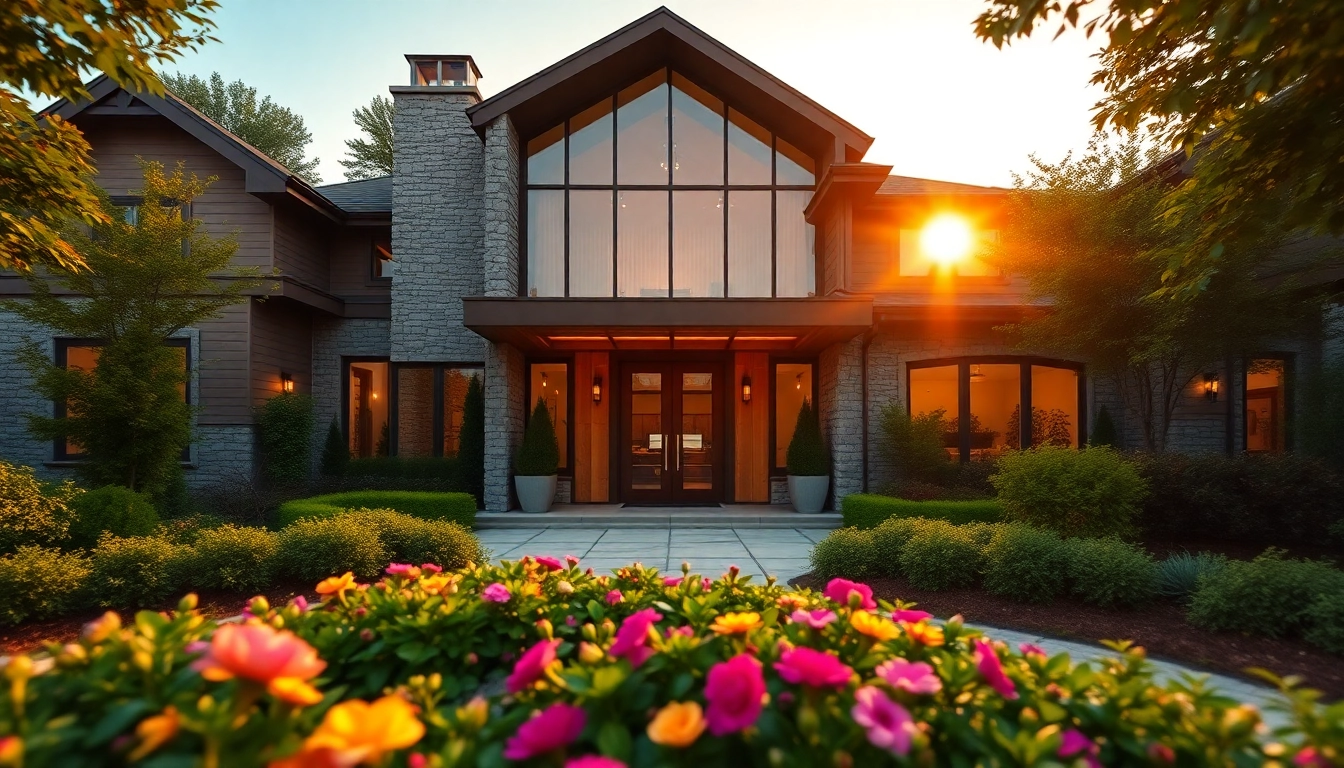
A luxury home typically refers to residential properties that significantly exceed the basic standards of living due to their opulence, quality, and location. These homes are often equipped with state-of-the-art amenities and high-end finishes, providing an unparalleled living experience. The definition can vary based on geographical location and local economic conditions; however, they generally encompass extraordinary architectural design, upscale features, and locations that provide exclusive access to nature or urban conveniences.
Characteristics of Luxury Home
Luxury homes are characterized by a variety of elements, including:
- Quality Materials: High-end finishes using premium materials such as marble, granite, and exotic woods.
- Size and Space: Typically larger than standard homes, luxury homes often have expansive floor plans, multiple bedrooms, and bathrooms.
- Unique Architecture: Custom designs that employ innovative architectural styles, allowing for personalization and aesthetic appeal.
- Location: Often situated in desirable neighborhoods, proximity to key amenities, such as shopping, dining, and cultural experiences.
- Security and Privacy: Enhanced security features and private settings, often including gated entries and manicured landscapes.
Market Demand for Luxury Home
The demand for luxury homes has been consistently growing, fueled by factors such as increasing disposable incomes, the desirability of exclusive living, and the appeal of customizability. Urbanization has also played a significant role, with more individuals seeking homes in upscale urban areas. Additionally, the rise of remote work has spurred interest in luxurious second homes in scenic locations.
Key Features of a Luxury Home
Architectural Styles in Luxury Home
Architectural styles play a crucial role in defining the appeal of a luxury home. Popular styles include:
- Modern: Characterized by clean lines, open spaces, and large glass windows that invite natural light.
- Traditional: Reflects classic designs with intricate moldings, well-defined rooms, and a sense of timeless elegance.
- Cape Cod: Features dormers and steeply pitched roofs, often set in idyllic coastal locations.
- Contemporary: Incorporates current design trends while focusing on sustainability and energy efficiency.
- Mediterranean: Known for stucco walls, red tiled roofs, and arched doorways, evoking a warm, inviting ambiance.
High-End Materials and Finishes
High-end materials and finishes are pivotal in establishing a luxury home’s aesthetic. Common choices include:
- Flooring: Exquisite hardwoods, imported tiles, or polished stones.
- Fixtures: Custom cabinetry, luxury appliances, and designer plumbing fixtures that offer both function and style.
- Windows: Energy-efficient designs with custom drapery that enhance beauty and comfort.
- Landscaping: Professionally designed outdoor spaces, featuring curated gardens, terraces, and outdoor living areas.
Technology Integration in Luxury Home
Modern luxury homes integrate advanced technology to elevate the living experience. This includes:
- Smart Home Systems: Allowing control of lighting, security, and climate through smartphones or voice commands.
- Home Automation: Systems that adapt to user preferences, enhancing convenience and energy efficiency.
- High-End Entertainment Systems: State-of-the-art sound and video systems integrated into the living space.
- Energy-Efficient Solutions: Solar panels, high-efficiency HVAC systems, and sustainable building materials.
Designing Your Luxury Home
Essentials of Luxury Home Design
Designing a luxury home involves careful consideration of several key factors:
- Space Planning: Ensuring that the layout effectively uses space for both functionality and aesthetics.
- Flow: Creating a seamless transition between indoor and outdoor spaces.
- Custom Features: Including unique design elements such as curved staircases, vaulted ceilings, and bespoke cabinetry.
- Lighting: Utilizing natural light effectively while incorporating layered artificial lighting to enhance mood and ambience.
Outdoor Spaces and Landscaping
Outdoor living spaces are increasingly important in luxury home design:
- Patios and Decks: Extending living areas into the outdoors with luxurious furnishings.
- Swimming Pools: Custom-built pools with unique designs that cater to relaxation and entertainment.
- Gardens: Professionally landscaped gardens with native plants, water features, and outdoor lighting.
- Outdoor Kitchens: Fully equipped areas for cooking and dining al fresco, enhancing the experience of outdoor living.
Interior Design Trends for Luxury Home
Staying current with interior design trends can help maximize a luxury home’s appeal:
- Minimalism: Emphasizing simplicity, clean lines, and uncluttered spaces.
- Biophilic Design: Integrating nature into interiors through plants and natural materials.
- Mixed Textures: Combining different materials such as wood, metal, and textiles for visual interest.
- Color Schemes: Using bold colors or soft, neutral palettes to enhance the mood of spaces.
Building Process for a Luxury Home
Selecting the Right Location
The location of a luxury home can significantly influence its value. Consider factors such as:
- Accessibility: Proximity to key amenities, scenic views, and privacy.
- Neighborhood Reputation: Renowned areas often yield higher appreciation rates and desirability.
- Future Developments: Understanding local planning initiatives that could affect property value.
Choosing the Right Builder
Selecting a reputable builder is critical in the luxury home market:
- Research: Verify the builder’s experience, portfolio, and customer reviews.
- Communication: Ensure they understand your vision and have a clear project management process.
- Quality Assurance: Look for builders that prioritize quality workmanship and materials.
Custom Features to Consider
When building a luxury home, consider including:
- Home Gyms: An in-home gym can promote health and wellness.
- Wine Cellars: Custom wine storage solutions can enhance lifestyle and aesthetics.
- Smart Technology: Innovations that improve convenience and energy efficiency.
- Art and Media Rooms: Spaces designed for relaxing entertainment experiences.
Investing in Luxury Home
Market Trends Affecting Luxury Home Prices
When considering investment in a luxury home, it’s crucial to heed current market trends:
- Economic Conditions: Economic growth influences buyer behavior in the luxury market.
- Supply and Demand: Analyzing inventory levels can reveal market saturation or opportunities.
- Interest Rates: Fluctuations in interest rates can impact borrowing costs for luxury home buyers.
Financing Options for Luxury Home Buyers
Luxury home financing can involve distinct strategies:
- Conventional Loans: Traditional mortgages often tailored for high-priced properties.
- Jumbo Loans: Financing for properties that exceed conventional loan limits.
- Cash Purchases: Many luxury home buyers opt to purchase outright, eliminating financing complications.
Long-Term Investment Potential
Luxury homes can provide substantial long-term investment benefits:
- Appreciation: Premium locations and custom features often result in significant appreciation.
- Rental Income: Luxury homes can be lucrative short-term rental properties in desirable areas.
- Tax Benefits: Real estate ownership can offer various tax advantages.
FAQs About Luxury Homes
What defines a luxury home?
A luxury home is often defined by its high-quality materials, expansive size, and desirable location. It includes custom architectural designs and high-end finishes that set it apart from standard residences.
Are luxury homes a good investment?
Yes, luxury homes can be a wise investment, especially in prime locations, as they tend to appreciate over time and can yield rental income.
How do I choose the right location for my luxury home?
Select a location based on accessibility to amenities, the prestige of the neighborhood, and potential future developments that may affect property values.
What features are considered essential for a luxury home?
Essential features often include high-quality finishes, energy-efficient solutions, advanced technology, and outdoor living spaces that enhance the home’s usability and appeal.
What financing options are available for luxury home buyers?
Luxury home buyers typically explore options like conventional loans, jumbo loans, and cash purchases, depending on their financial situation and property price.