Understanding Home Improvement
What is Home Improvement?
Home improvement encompasses a broad range of activities aimed at enhancing the functionality, aesthetics, and value of a residence. It includes alterations, renovations, and additions to a home that increase its livability and market value. Projects can vary dramatically in scope and scale—from simple cosmetic changes, such as painting and updating fixtures, to more extensive renovations like kitchen remodels or full-scale home additions. With the rise of DIY culture and an increasing array of materials and tools available in the market, home improvement has become an accessible avenue for many homeowners to invest in their properties.
Importance of Home Improvement
Investing in home improvement not only elevates your living experience but also has profound implications for the property’s market value and operational efficiency. With the continual wear and tear that homes endure, regular upkeep is crucial. Furthermore, remodeling can also lead to enhanced energy efficiency, which translates into lower utility bills. The personal satisfaction derived from improved aesthetics—the perfect kitchen, a serene outdoor space, or a cozy living room—contributes significantly to a homeowner’s quality of life. Ultimately, whether for personal satisfaction or financial investment, the impact of well-planned home improvements is far-reaching.
Common Types of Home Improvement Projects
- Interior Renovations: These include kitchen and bathroom remodels, flooring updates, and repainting. Each of these projects can alter the home's ambiance and functionality drastically.
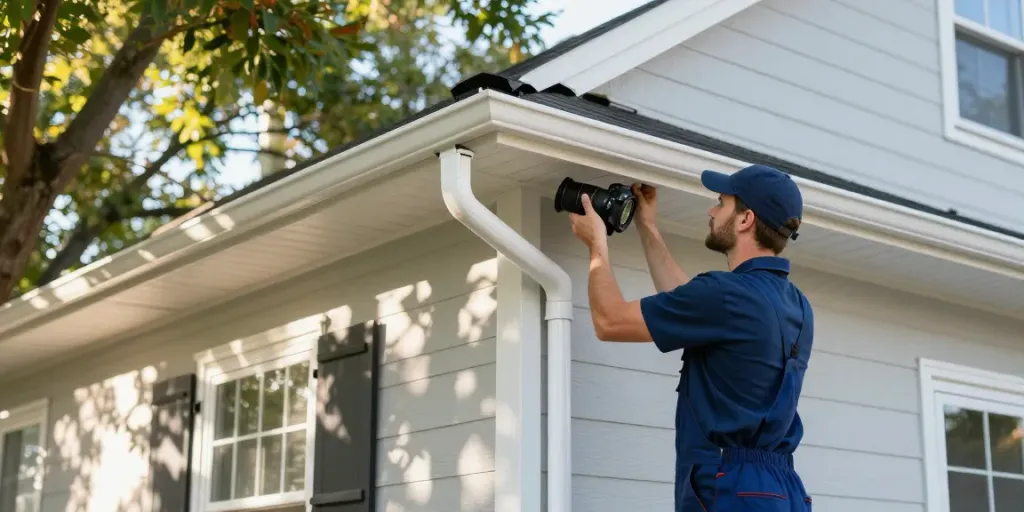
- Exterior Maintenance: This encompasses painting the exterior, replacing siding, or improving landscaping. An attractive exterior not only enhances curb appeal but also protects the home structure.
- Additions: Adding new rooms or extensions is a significant undertaking to accommodate growing families or create more space for other activities.
- Energy Improvements: This category includes upgrading windows, adding insulation, and installing energy-efficient appliances to reduce energy costs and improve sustainability.
Planning Your Home Improvement
Setting a Budget for Home Improvement
Developing a realistic budget is one of the most critical steps in planning any home improvement project. It’s essential to account for not only the expected costs of materials and labor but also unexpected expenses that may arise. Start by determining the scope of your project and research typical costs associated with similar renovations. Allocate a contingency of approximately 10–20% of the total budget for unforeseen issues, ensuring you avoid financial stress during implementation. Transparency in budgeting helps in making informed decisions about what can realistically be achieved.
Choosing the Right Materials
Materials play a significant role in both the aesthetics and durability of any home improvement project. The choice of materials will greatly influence the cost and the longevity of the improvements. For example, using high-quality materials may require a larger initial investment but can save money in the long run through durability and reduced maintenance. Consider sourcing materials that are sustainable, energy-efficient, and low-maintenance whenever possible. This aligns not only with environmental considerations but also with the trend toward responsible consumerism.
Design Considerations for Home Improvement
Designing your home improvement project involves considering factors such as current home style, neighborhood aesthetics, and personal preferences. Home improvements should ideally enhance the home’s character while catering to current trends and future resale value. Engage with design professionals if necessary to help visualize the space and ensure functionality. Utilize design software to create virtual layouts, which can aid greatly in understanding spatial relationships and how enhancements will impact the existing layout.
Executing Home Improvement Projects
DIY vs Professional Help
With the extensive resources available today, many people wonder whether to tackle home improvement projects themselves or hire professionals. DIY can provide great satisfaction and enhance skills, but it requires time, effort, and some experience for successful outcomes. Assess your skills honestly; for complex projects such as electrical work or major structural changes, the risks may far outweigh the savings of DIY. Hiring professionals ensures quality workmanship and helps navigate potential legal and regulatory obstacles that can arise.
Step-by-Step Guide to Popular Home Improvement Projects
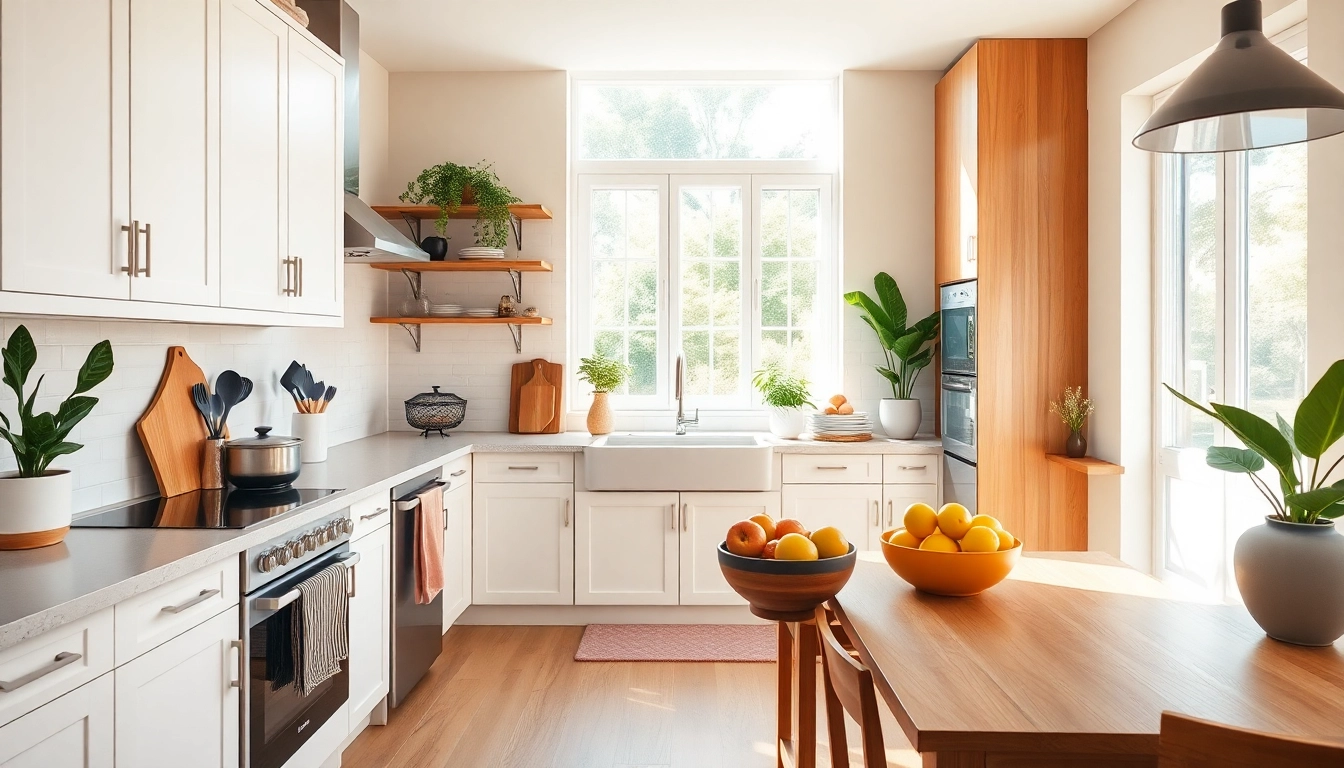
1. Kitchen Remodel: Start by designing your layout while considering flow and functional zones like cooking, dining, and storage. Choose quality appliances and fixtures and plan for suitable lighting. Set a clear budget and timeline for completion. 2. Bathroom Upgrade: Assess elements such as plumbing, countertops, and fixtures that need updating. Choose low-maintenance tiles and durable materials that withstand moisture and wear. 3. Landscaping Improvements: Plan out the space, considering elements like local climate, soil conditions, and your desired maintenance level. Select plants that fit your aesthetic and care preferences.
Health and Safety Measures in Home Improvement
Safety cannot be overstated in any home improvement endeavor. Always wear appropriate safety gear such as gloves, goggles, and dust masks. Understanding the correct use of tools and adhering to safety protocols protects not only the worker but also others near the project site. Clear the area of hazards, such as obstructions and wiring, before beginning work. Familiarize yourself with fire safety and emergency measures relevant to construction sites, and ensure that all materials and tools are stored correctly when not in use.
Maintaining Improvements
How to Care for Your Home Improvement
Regular maintenance is key to preserving the benefits of your home improvements. Schedule seasonal inspections of critical areas such as roofs, plumbing, and electrical systems to preempt potentially costly issues. Create cleaning schedules for interiors and exteriors based on material needs, weather exposure, and traffic levels. Special care may be necessary for upgraded flooring, countertops, or outdoor structures to prevent wear and tear.
Seasonal Maintenance Tips
- Spring: Inspect your roof for damage from winter storms, clean gutters, and start landscaping projects.
- Summer: Check air conditioning units, ensure window seals are intact, and conduct deep cleans of living spaces.
- Fall: Prepare heating systems for winter, clean vents, and inspect window or door weatherproofing.
- Winter: Ensure heating systems are running efficiently, monitor indoor humidity, and establish snow removal protocols.
Identifying Common Issues
Regular check-ups can identify signs of wear before they escalate into major repairs. Look for factors such as water stains, which may indicate leaks, or cracks in walls that suggest structural issues. Be vigilant about odd sounds emanating from plumbing or HVAC systems, as these may signal necessary repairs. By maintaining an ongoing log of observations, you can rectify small problems before they evolve into more costly and disruptive concerns.
Evaluating Home Improvement Success
Measuring the Impact of Home Improvement
To truly evaluate the success of your home improvement endeavors, consider both the tangible and intangible outcomes. Tangible impacts may include increased property value, lower energy bills, or reduced maintenance costs. Intangible benefits, however, may be equally significant and include family satisfaction, improved quality of life, and enhanced comfort. Surveys of family members or potential homebuyers can gauge satisfaction levels which play a key role in determining overall success.
Cost vs Value of Home Improvements
Weighing the cost against the value is a pivotal consideration for any homeowner. Not all upgrades yield the same financial return; kitchen and bathroom remodels typically offer high returns, while extensive landscaping may not recover costs fully. Utilize resources like local real estate market assessments and renovation guides to gauge which projects will benefit you upon resale. Investing time in understanding your local market can yield insights that enhance your budget and choices.
Upgrading Your Home Improvement Strategy
Periodically reassessing your home improvement strategy is crucial as trends and family needs evolve. Keep track of changes in design trends, real estate values, and advancements in technology that may influence home improvement decisions. Networking with other homeowners and joining relevant forums can provide new insights and best practices. By being proactive in your strategy, you’ll not only enhance the functionality and aesthetics of your home but also ensure that it remains a sound investment over time.
FAQs About Home Improvement
1. What is home improvement?
Home improvement covers a variety of projects that enhance a home's functionality, appearance, and value through renovations, repairs, and modifications.
2. How do I choose the right materials for my project?
Consider quality, durability, cost, and aesthetic appeal of materials, factoring in your project’s longevity and maintenance needs.
3. Should I try to do home improvements myself?
DIY can be rewarding but choose projects based on your skill level. Complex jobs might require professional expertise for safety and quality.
4. How do I maintain my home improvements?
Perform regular inspections, cleanings, and repairs while noting seasonal maintenance to ensure longevity and performance of your improvements.
5. How do I measure the value of home improvements?
Evaluate both financial returns and personal satisfaction from improvements, while comparing local market trends and resale values.