
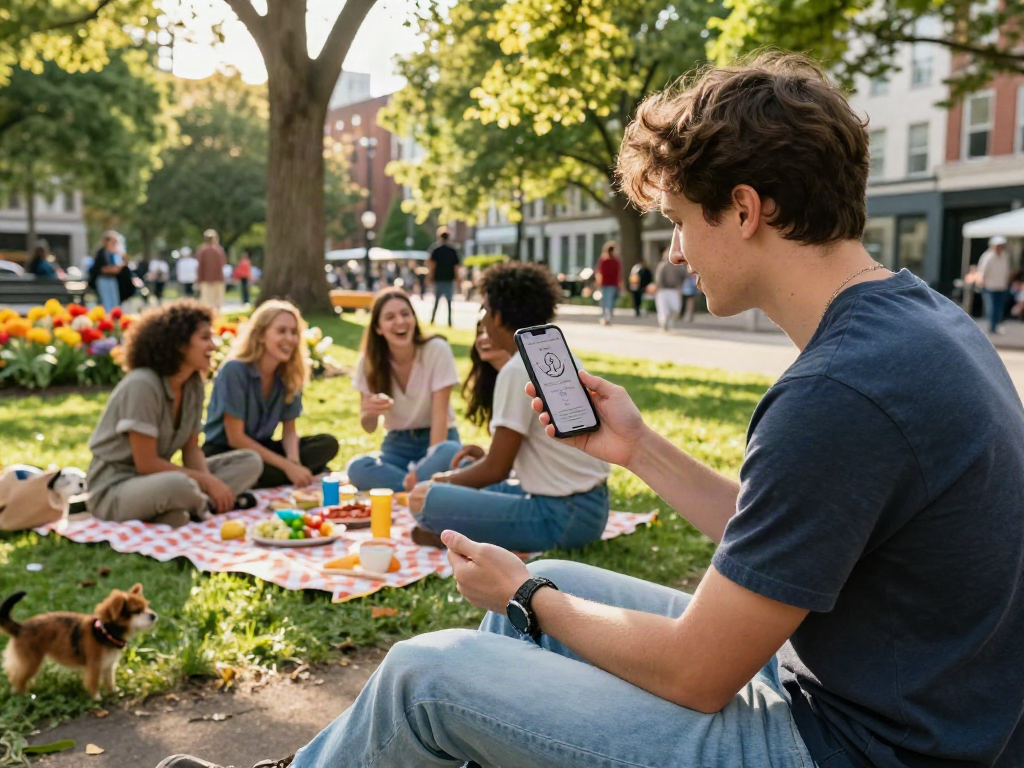
Understanding Facial Age Estimation Technology
As technology continues to evolve at a rapid pace, the tools we use to analyze ourselves have become more sophisticated. One fascinating development in this realm is facial age estimation technology. By leveraging advancements in artificial intelligence (AI) and machine learning, these tools can provide insights into how old you look compared to your actual age. This article delves into the intricacies of age estimation, helping you navigate these tools and understand their implications.
What is Facial Age Estimation?
Facial age estimation refers to the process of determining a person's perceived age based on facial features. Utilizing algorithms that analyze attributes such as skin texture, wrinkles, and overall facial structure, these tools are designed to estimate how old someone appears. Such technologies are primarily driven by AI and have seen significant application across various sectors, ranging from social media filters to marketing strategies. When exploring options, how old do i look provides comprehensive insights into this intriguing area.
The Science Behind Age Recognition Algorithms
Age recognition algorithms function through a blend of computer vision and machine learning. By training models on large datasets of facial images across different ages, these algorithms learn to identify patterns associated with aging. This includes changes in skin elasticity, the presence of fine lines, and even facial fat distribution that occurs over time. The model's effectiveness is tied to the quality and diversity of the training data, making continuous improvement crucial for accuracy.
Applications of Age Estimation in Various Industries
Facial age estimation technology has broad applications in numerous fields:
- Cosmetics and Skincare: Brands use age estimation tools to tailor marketing strategies, suggesting products based on perceived age, thus enhancing consumer engagement.
- Healthcare: Clinicians may utilize age estimation to assess skin health and make treatment recommendations.
- Social Media: Platforms use age filters for apps and games, creating engaging experiences for users.
- Marketing: Businesses analyze consumer demographics based on age appearance to optimize advertising strategies.
How to Use Age Estimation Tools Effectively
To maximize the accuracy of age estimation tools, users must understand how to engage with them properly. The following sections outline how to effectively use these technologies.
Steps to Upload Your Photo for Accurate Results
- Choose High-Quality Images: Opt for clear, well-lit images without glare or shadows to ensure the algorithm can analyze your face accurately.
- Follow Instructions: Many tools will have specific requirements for image upload, such as uploading a recent photo with your entire face visible.
- Be Consistent: Use similar conditions for each photo you upload to track changes in estimated age over time.
Common Mistakes to Avoid When Using Online Tools
While using age estimation tools, it is essential to avoid common pitfalls:
- Using Old Photos: Outdated pictures may not provide an accurate reflection of your current appearance.
- Disregarding Background: A cluttered or distracting background can affect the algorithm's performance.
- Wearing Heavy Makeup: Makeup can alter perceived age, leading to misleading results.
Interpreting Results: What Do They Mean?
Understanding the results of an age estimation tool involves context:
- Consider Variability: Results can fluctuate between different tools due to variations in algorithms.
- Use As a Fun Metric: Treat the output as entertainment rather than a definitive measure of age.
- Consult Professionals: For health-related insights, consult with professionals rather than relying solely on app results.
Trends in Age Estimation for 2026
As we look toward 2026, several notable trends are shaping the future of age estimation technology.
Advancements in AI and Machine Learning
With the rapid development of AI technologies, age estimation tools are becoming increasingly sophisticated. Algorithms are now able to analyze not just static images but also video feeds to provide real-time age estimations. This leap forward significantly enhances user interaction and personalization in applications.
Privacy Considerations in Age Estimation Technologies
As these tools become more prevalent, privacy concerns have been raised regarding data security and user consent. Developers must prioritize transparent data usage policies while ensuring that algorithms do not store identifiable information without permission.
Potential Future Applications in Social Media and Marketing
As brands leverage these technologies, we may see more personalized marketing content based on perceived age, allowing for tailored customer experiences. Social media platforms could incorporate these functionalities to create dynamic filters, enriching user engagement.
Comparing Popular Age Estimation Tools
With a plethora of age estimation tools available in the market, selecting the right one can be challenging. Below, we compare some of the leading options for 2026.
Overview of Top Competitors in 2026
Some noteworthy competitors include:
- FaceAge.ai: Offers fast and secure facial age estimation with a focus on privacy.
- Fotor: Provides a straightforward interface for users to upload photos without requiring sign-up.
- BeautyPlus: Known for its user-friendly approach and engaging experience.
Key Features to Look For
When evaluating age estimation tools, consider the following features:
- Accuracy: Look for independent reviews that back up the tool's claims regarding accuracy.
- Speed: Tools should provide instantaneous results for a seamless user experience.
- User Interface: A clean, intuitive design enhances usability and engagement.
User Experience: Reviews and Testimonials
When selecting a tool, it is beneficial to analyze user reviews and testimonials. High ratings often correlate with reliable results and good customer service, making them good indicators of quality.
Frequently Asked Questions about Age Estimation
Are Age Estimation Tools Accurate?
While many tools claim high accuracy rates, the reliability of results can vary. Factors such as lighting, facial expressions, and image quality can all impact estimations.
Can I Trust the Results of Age Estimation Apps?
Apps should be seen as fun tools rather than definitive age assessments. They can provide a general idea but should not be taken too seriously.
How Is My Privacy Protected When Using These Tools?
Most reputable services prioritize user privacy, ensuring that images are not stored or shared without consent. Always check the privacy policy before uploading images.
What Factors Influence My Estimated Age?
Many elements can influence the output, including skin texture, hydration levels, environmental factors, and even makeup. These can lead to variations in perceived age across different tools.
What Should I Do if I Disagree with the Results?
If the results seem inaccurate, take another photo under different lighting or conditions. Consistent results across multiple tests can offer a better perspective on your perceived age.