
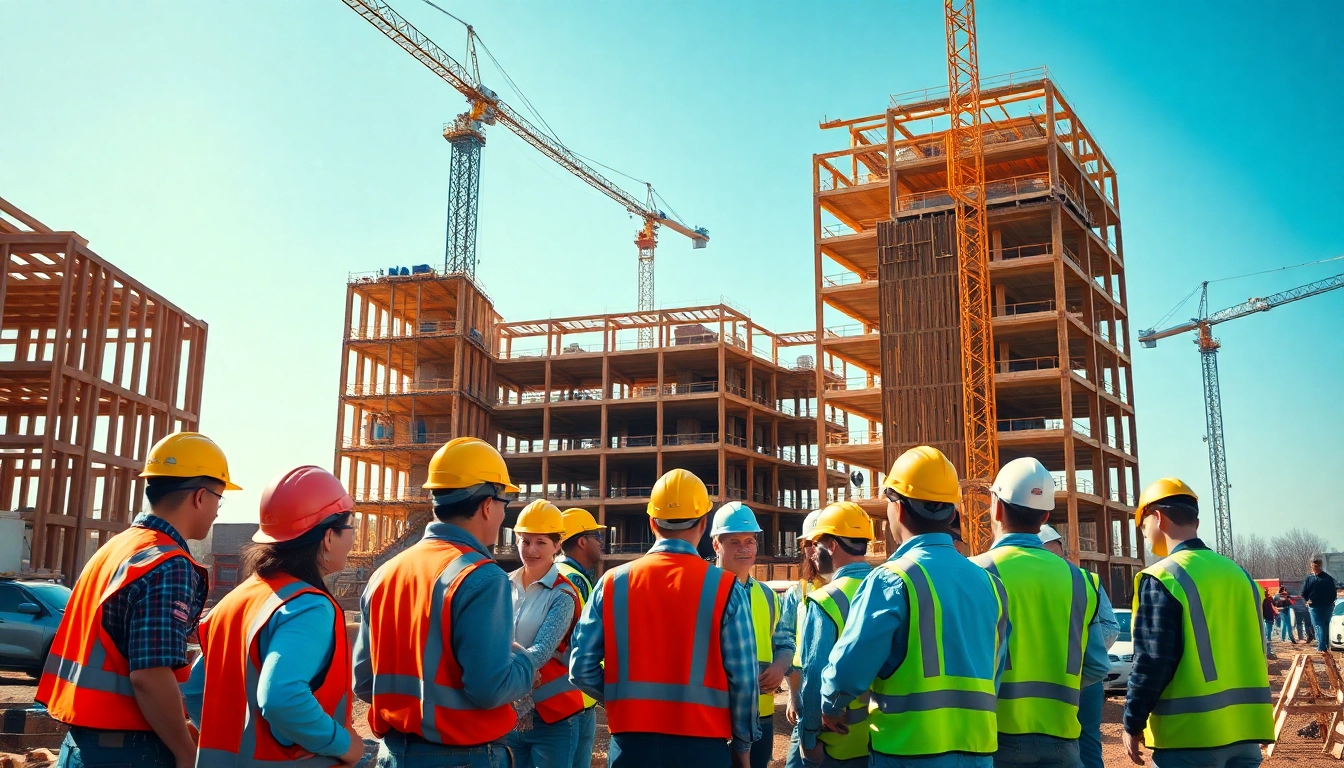
1. Overview of the Construction Industry in USA
The construction industry in the USA serves as a crucial backbone of the nation’s economy, acting as a foundation for both residential and commercial development. construction in USA encompasses a comprehensive range of activities from civil engineering to specialized building trades. In examining the industry, one must assess its historical growth patterns, current market dynamics, and future projections that illustrate not just where it stands today, but where it is headed in the coming years.
1.1 Historical Growth Patterns
The historical trajectory of construction in the USA showcases periods of rapid expansion followed by contractions associated with economic recessions. Major drivers of growth include infrastructural development during the post-World War II boom and the subsequent housing market surges witnessed in the late 20th and early 21st centuries. Economic stimuli, such as the American Recovery and Reinvestment Act, propelled growth during downturns, allowing for the construction sector to rebound significantly. Notably, those periods were marked by investments in both residential housing and large-scale infrastructure projects. The advent of technological advancements, such as Building Information Modeling (BIM) and prefabrication, reshaped the construction dynamics to enhance productivity.
1.2 Current Market Size and Value
As of recent estimates, the construction industry operates at a market size of approximately $2 trillion, making it one of the largest economic sectors in the USA. More than 919,000 construction establishments were recorded in early 2023, employing millions of workers across various trades. These figures reflect a steady recovery post the COVID-19 pandemic, which previously caused disruptions in supply chains and workforce availability. Urbanization and an increased demand for residential and commercial properties continue to drive significant investments, keeping the industry robust.
1.3 Future Projections and Trends
Looking ahead, the future of construction in the USA appears promising. It is projected that construction spending will continue to rise, fueled by ongoing urban developments, infrastructure initiatives, and government investment. Innovative trends such as sustainability efforts, smart building technologies, and enhanced data analytics are likely to dominate the landscape of construction. Furthermore, the adoption of Green Building initiatives is expected to be a significant component as stakeholders pursue environmentally friendly practices while addressing regulatory challenges.
2. Major Segments of Construction in USA
The construction industry is not monolithic; it is divided into several segments, each with unique characteristics and trends. Understanding these segments provides insights into market behavior, opportunities, and targeted investments.
2.1 Residential Construction Trends
Residential construction remains one of the most significant segments, reflecting trends influenced by consumer demands and demographic shifts. The increasing need for housing due to population growth, particularly in urban environments, has led to a surge in multifamily developments. Moreover, the trend toward smart homes, characterized by energy-efficient technologies and advanced home automation systems, is shaping new constructions. The rise in remote work has also influenced home buying patterns, with many opting for larger living spaces as a direct consequence of lifestyle changes.
2.2 Commercial and Industrial Construction
Commercial construction encompasses various projects from retail to office spaces and is geared toward serving the evolving marketplace. Post-pandemic, businesses are seeking flexible spaces to accommodate hybrid work environments. Additionally, the industrial sector is experiencing growth due to the e-commerce surge, prompting investments in logistics and warehouse facilities. Advances in construction technology are enabling faster building solutions to meet the fast-paced demands of this segment.
2.3 Infrastructure Development Projects
Infrastructure development is a critical area, focusing on transportation, utilities, and community facilities. Recent policy initiatives have aimed to revitalize national infrastructure, identifying significant investment opportunities. Projects focusing on bridge construction, road enhancements, and sustainable infrastructure are essential to efficiently support communities and economies. The growing necessity to upgrade aging infrastructure and build resiliency against climate change are additional drivers for this segment.
3. Key Challenges Facing Construction in USA
Despite its progress, the construction industry grapples with several challenges that hinder its potential. Addressing these issues is crucial for the sustainable advancement of the sector.
3.1 Labor Shortages and Skilled Workforce
One of the most pressing challenges in the construction industry is the persistent labor shortage, particularly in skilled trades. As experienced workers retire, there is a growing gap in available talent. Efforts to attract younger generations through educational programs and apprenticeships are underway to combat this shortage. Additionally, promoting diversity and inclusion within the workforce can help broaden the talent pool significantly.
3.2 Supply Chain Disruptions
The pandemic underscored vulnerabilities in the construction supply chain, leading to delays and increased costs due to material shortages. Companies are now adapting by diversifying their suppliers, investing in local sourcing, and employing more rigorous project management techniques. Overall, the key lies in enhancing foresight and flexibility within supply chain strategies to mitigate risks associated with disruptions.
3.3 Regulatory and Compliance Issues
Navigating the intricate web of regulations and compliance is another challenge faced by the construction industry. Building codes and safety regulations can vary significantly across states and municipalities. Staying updated with these regulations is crucial and often requires dedicated resources, which may strain smaller contractors. Implementing rigorous compliance programs can not only enhance operational efficiency but also improve safety and quality standards.
4. Innovations Transforming Construction in USA
Innovations are reshaping how construction is conducted, paving the way for more efficient, safe, and environmentally friendly practices. The integration of technology within the industry is pivotal.
4.1 Sustainable Building Practices
Sustainable building practices are at the forefront of modern construction trends, as stakeholders increasingly prioritize environmental responsibility. Green Building certifications, like LEED, are becoming standard requirements for new developments. This trend encompasses the use of recycled materials, energy-efficient systems, and sustainable design principles that minimize adverse environmental impacts. By reducing the carbon footprint, the construction industry is moving towards a more sustainable future while meeting consumer demands.
4.2 Use of Technology in Construction
The adoption of advanced technologies, such as BIM, drones, and augmented reality, is proving transformative for project management and execution. These technologies enhance collaboration, improve accuracy, and streamline workflows, ultimately leading to cost savings and greater efficiency. For instance, BIM allows for extensive digital modeling, reducing mistakes and change orders during construction, thereby improving timelines and budget adherence.
4.3 Modular and Prefabricated Construction
Modular and prefabricated construction methods are gaining traction as they allow for faster building times and reduced waste. Components are fabricated offsite and assembled on location, which can significantly reduce the construction timeframe and the associated labor costs. This method also leads to higher quality control, minimizing errors compared to traditional construction methods.
5. Future Directions for Construction in USA
As we look to the future, several directions indicate how the construction industry will evolve in response to emerging demands and challenges.
5.1 Emerging Markets and Opportunities
Emerging markets in places like Texas and Florida, driven by population growth and economic expansion, present significant opportunities for construction firms. The increasing demand for residential, commercial, and infrastructure projects necessitates that companies pivot toward these burgeoning markets. Focusing on areas with geographic and economic growth potential can yield lucrative outcomes.
5.2 Investment and Funding Trends
Investment in construction is expected to trend towards sustainable projects, infrastructure enhancement, and technology-driven solutions. Public-private partnerships (PPPs) will play a key role in funding real estate development and infrastructure projects. This model not only spreads financial risk but also enables innovative project delivery methods.
5.3 Predictions for Industry Evolution
The construction industry is anticipated to become increasingly data-driven, with the use of analytics playing a crucial role in decision-making. Supply chain management, project scheduling, and risk assessment will benefit from predictive analytics, leading to improved outcomes. Additionally, the push toward sustainability will likely drive further regulatory changes, requiring the construction industry to adapt continuously.
FAQs
1. What is the current market size of the construction industry in the USA?
The current market size of the construction industry in the USA is approximately $2 trillion, making it one of the largest sectors in the economy.
2. What are the biggest challenges facing the construction industry today?
Key challenges include labor shortages, supply chain disruptions, and the complexity of regulatory compliance that affects project execution.
3. How is technology transforming the construction sector?
Technology is enhancing efficiency through tools like BIM, drones, and modular construction, reducing costs and construction time while improving quality and safety.
4. What trends are driving residential construction growth?
Trends such as urbanization, the demand for smart homes, and changes in lifestyle post-pandemic are driving growth in residential construction.
5. Are there opportunities for sustainable construction practices?
Yes, sustainable construction practices, such as LEED certification and the use of recycled materials, are increasingly valued and provide numerous market opportunities.