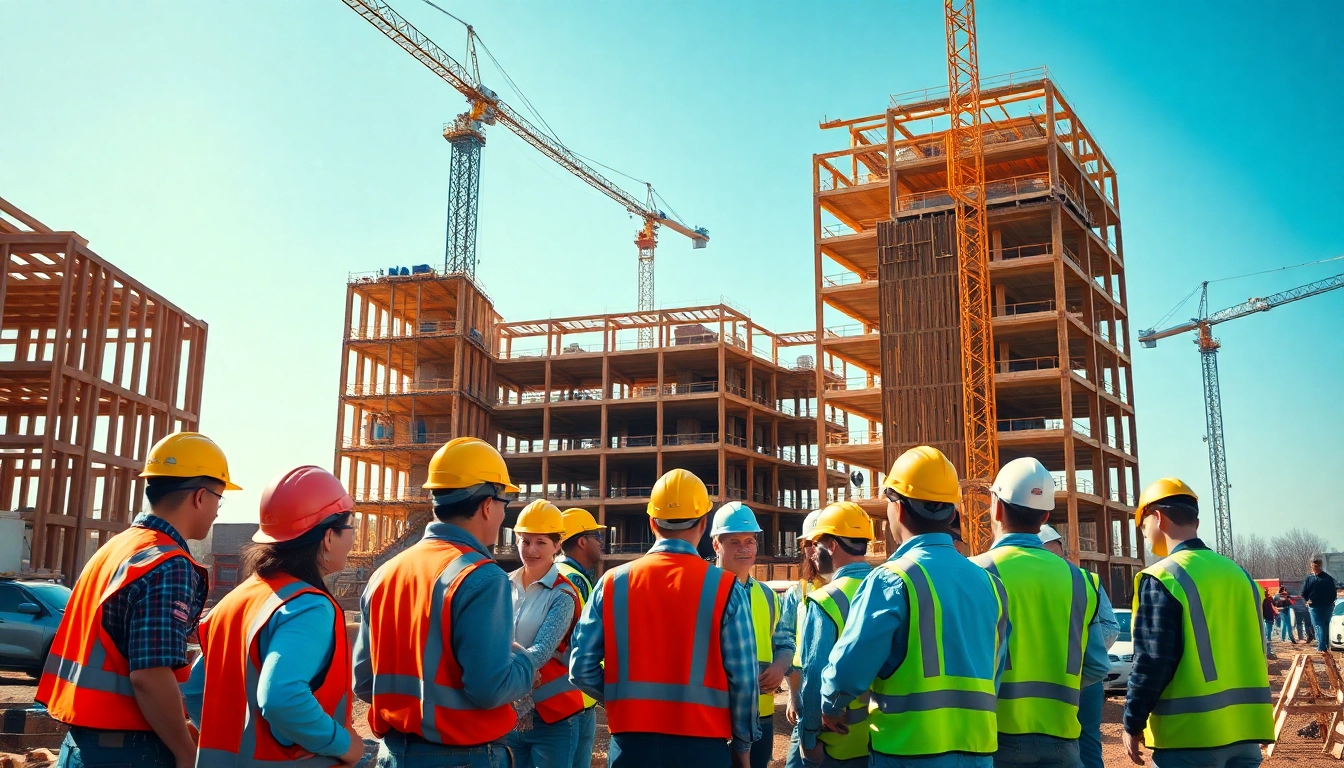
Understanding Free Enterprise Construction Colorado
What is Free Enterprise Construction?
Free enterprise construction refers to a market-driven approach to building and infrastructure development where private entities operate with minimal government intervention. In Colorado, this model thrives on the principles of competition, innovation, and entrepreneurship, enabling construction firms to adapt rapidly to changing market conditions. Contractors and developers working within this framework are allowed to pursue creative solutions to meet ever-evolving consumer needs while maximizing efficiency and cost-effectiveness. This model underscores the importance of free enterprise construction colorado in fostering economic growth and sustainability.
The Role of Innovation in Construction
Innovation is the cornerstone of free enterprise construction, particularly in Colorado, where industry leaders are continually seeking ways to enhance productivity and reduce costs. Through the adoption of cutting-edge technologies, such as Building Information Modeling (BIM), modular construction, and 3D printing, construction firms gain the ability to design, plan, and execute projects far more efficiently than traditional methods allow.
Furthermore, innovative materials like self-healing concrete and energy-efficient components are reshaping the industry's sustainability landscape. These technologies not only reduce the environmental impact but also lead to significant long-term cost savings for both builders and clients. The inclusion of smart building systems, equipped with IoT capabilities, enhances operational efficiency and client satisfaction by optimizing energy use and minimizing resource waste.
Key Benefits of Free Enterprise Principles
Free enterprise principles yield numerous benefits for Colorado's construction sector, including:
- Increased Competition: A competitive marketplace encourages firms to offer better pricing and superior quality to win projects.
- Enhanced Innovation: Firms can experiment with new construction techniques and technologies without burdensome regulations stifling creativity.
- Economic Growth: The construction sector thrives, providing jobs and fostering local economies through increased activity in related industries.
- Consumer Choice: A variety of options allows consumers to select services that best meet their needs.
Major Trends in Colorado's Construction Industry
Emergence of Sustainable Building Practices
As environmental concerns continue to rise, sustainable building practices have become a defining trend in Colorado’s construction landscape. Builders are increasingly focused on utilizing eco-friendly materials and energy-efficient designs.
Green certifications, such as LEED (Leadership in Energy and Environmental Design), have gained traction and encourage companies to meet rigorous environmental standards. Incorporating solar panels, rainwater harvesting systems, and high-efficiency insulation not only reduces the ecological footprint but also appeals to environmentally conscious consumers.
Adoption of Advanced Technologies
The construction industry in Colorado is witnessing substantial advancements in technology that transform project execution and management. Drones, for instance, are utilized for site surveys and project tracking, providing real-time data that informs decision-making.
Additionally, augmented reality (AR) and virtual reality (VR) are facilitating immersive visualization techniques that enhance project planning and client engagement. These technologies enable stakeholders to visualize layouts and designs accurately before breaking ground, improving communication among all parties involved.
Integrated Community Development Approaches
Community development is increasingly central to construction projects in Colorado. Free enterprise construction encourages holistic approaches that integrate various sectors, such as residential, commercial, and public infrastructure, into cohesive urban developments.
By fostering collaboration among local governments, developers, and community stakeholders, projects are better aligned with the needs and values of local residents. Engaging community input ensures that developments are not only functional but also socially responsible and aesthetically pleasing.
Challenges Facing Free Enterprise Construction in Colorado
Regulatory and Environmental Constraints
While the free enterprise model supports innovation and competition, it is also subject to regulatory constraints that can pose challenges for construction firms. Colorado’s stringent building codes and environmental regulations necessitate thorough compliance, which can result in increased project timelines and costs.
Navigating these regulations requires knowledge and expertise, making it imperative for construction companies to work closely with legal advisors and local authorities to ensure adherence while still pursuing innovative solutions.
Skilled Labor Shortages
One of the most pressing challenges facing Colorado’s construction industry is the skilled labor shortage. As demand for construction projects grows, the gap between available skilled workers and market needs widens, leading to delays and rising labor costs.
To mitigate this issue, firms can invest in training programs and apprenticeships that promote skills development. Partnerships with local vocational schools and trade programs can also create a pipeline of qualified workers ready to engage in the industry.
Economic Fluctuations
Economic instability can significantly impact the construction sector, causing fluctuations in demand and project financing. During economic downturns, budgets may tighten, leading to project postponements or cancellations.
To manage these risks, construction firms should diversify their portfolios, embracing varied project types and client sectors to buffer against economic fluctuations. Strategic financial planning and maintaining strong relationships with financial institutions can also enhance resilience during challenging economic periods.
Best Practices for Implementing Free Enterprise Construction
Prioritizing Safety and Compliance
In a free enterprise environment, prioritizing safety is crucial to maintaining operational integrity and reputation. Construction companies must adhere to Occupational Safety and Health Administration (OSHA) regulations while fostering a culture of safety among employees and subcontractors.
Regular training sessions, safety audits, and incorporating advanced safety technologies can significantly reduce workplace accidents and ensure compliance with legal requirements, thereby safeguarding the firm’s reputation and minimizing liabilities.
Fostering Team Collaboration and Communication
Effective collaboration and communication are essential components of success within the construction industry. Utilizing project management tools and software can streamline communication among teams, allowing for real-time updates, issue tracking, and document sharing.
Regular team meetings and check-ins further foster transparency and strengthen relationships among team members. A cohesive team is better equipped to navigate challenges and execute projects smoothly, ultimately leading to enhanced client satisfaction.
Leveraging Local Resources and Materials
Maximizing local resources and materials can enhance project sustainability and stimulate the local economy. By sourcing materials locally, firms can reduce transportation costs and minimize their carbon footprint.
Using local suppliers also strengthens community ties and supports the regional economy. Engaging with local artisans and contractors can yield unique design elements, distinguishing projects and enhancing the overall appeal of new developments.
Measuring Success in Free Enterprise Construction
Key Performance Indicators to Monitor
To gauge the effectiveness of free enterprise methods in construction, firms should establish key performance indicators (KPIs). Relevant metrics include project schedule adherence, budget variance, waste reduction, and client satisfaction scores.
Monitoring these KPIs not only helps to identify areas for improvement but also aids in strategy formulation for future projects, ultimately driving operational success and improved profitability.
Long-term Impact Assessments
Long-term assessments of completed projects enable construction firms to evaluate their success and sustainability over time. This practice includes monitoring community feedback, economic impact, and environmental effects of construction efforts.
By studying these outcomes, firms can refine their business strategies, enhance community relations, and inform future project developments that align better with long-term goals.
Success Stories in Colorado's Construction Sector
Highlighting successful projects serves as inspiration within the industry. Profiling case studies can illustrate the benefits of free enterprise construction, such as innovative uses of technology or sustainable practices yielding positive financial returns.
These success stories resonate with both potential clients and industry peers, showcasing how free enterprise principles can drive meaningful change in the construction landscape.
FAQs
What is free enterprise construction?
Free enterprise construction is a market-driven approach that emphasizes competition, innovation, and minimal government intervention in the construction industry.
Why is innovation important in construction?
Innovation leads to improved efficiencies, reduced costs, and more sustainable practices, crucial for meeting the evolving demands of clients and environmental standards.
What are some common challenges in free enterprise construction?
Common challenges include regulatory hurdles, skilled labor shortages, and economic fluctuations that can impact project timelines and costs.
How can construction firms ensure safety?
Firms can ensure safety by prioritizing training, conducting regular audits, and fostering a culture of safety among their teams.
What metrics should be tracked for construction success?
Key metrics include project timelines, budget adherence, waste reduction, and client satisfaction ratings, which help evaluate project performance.